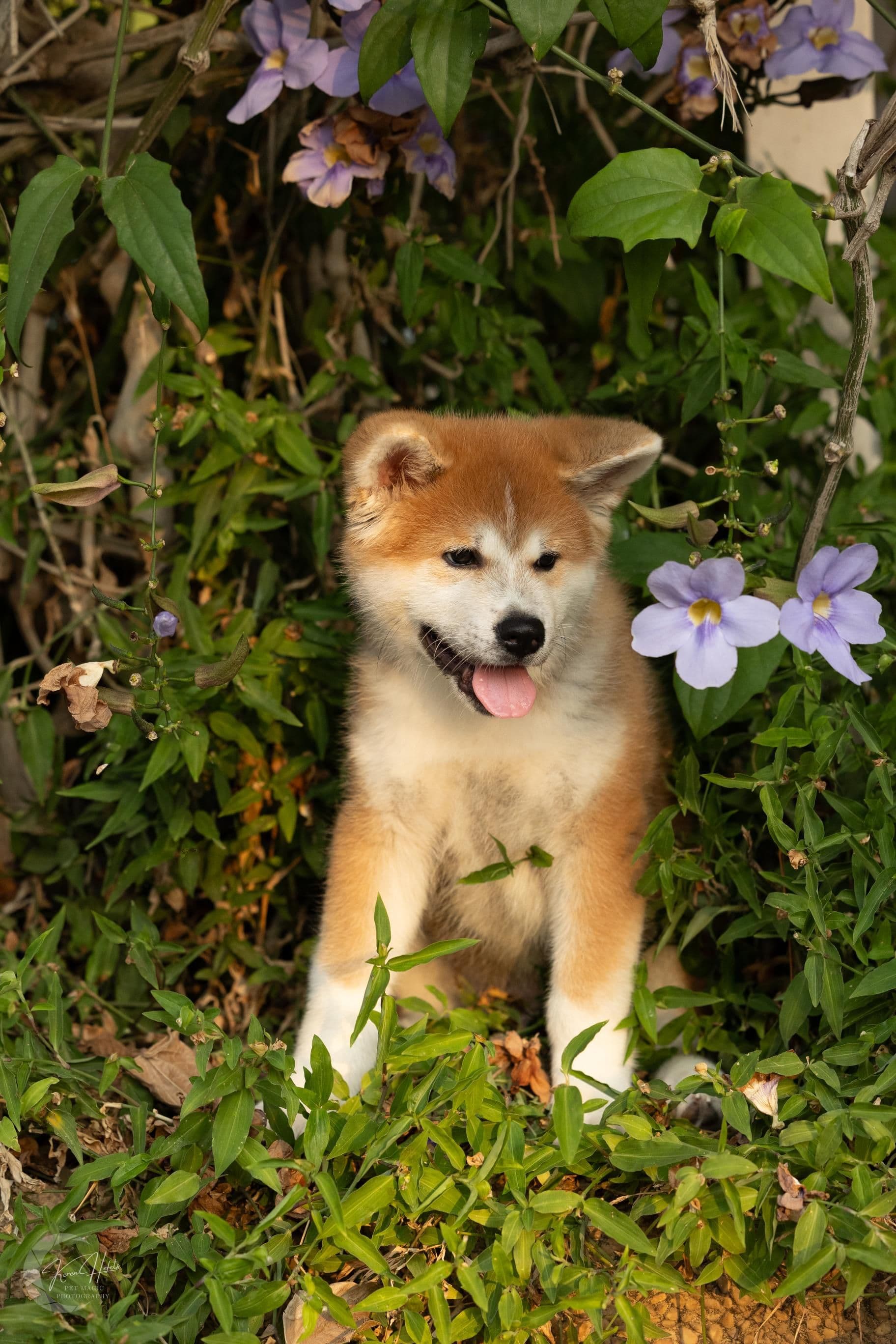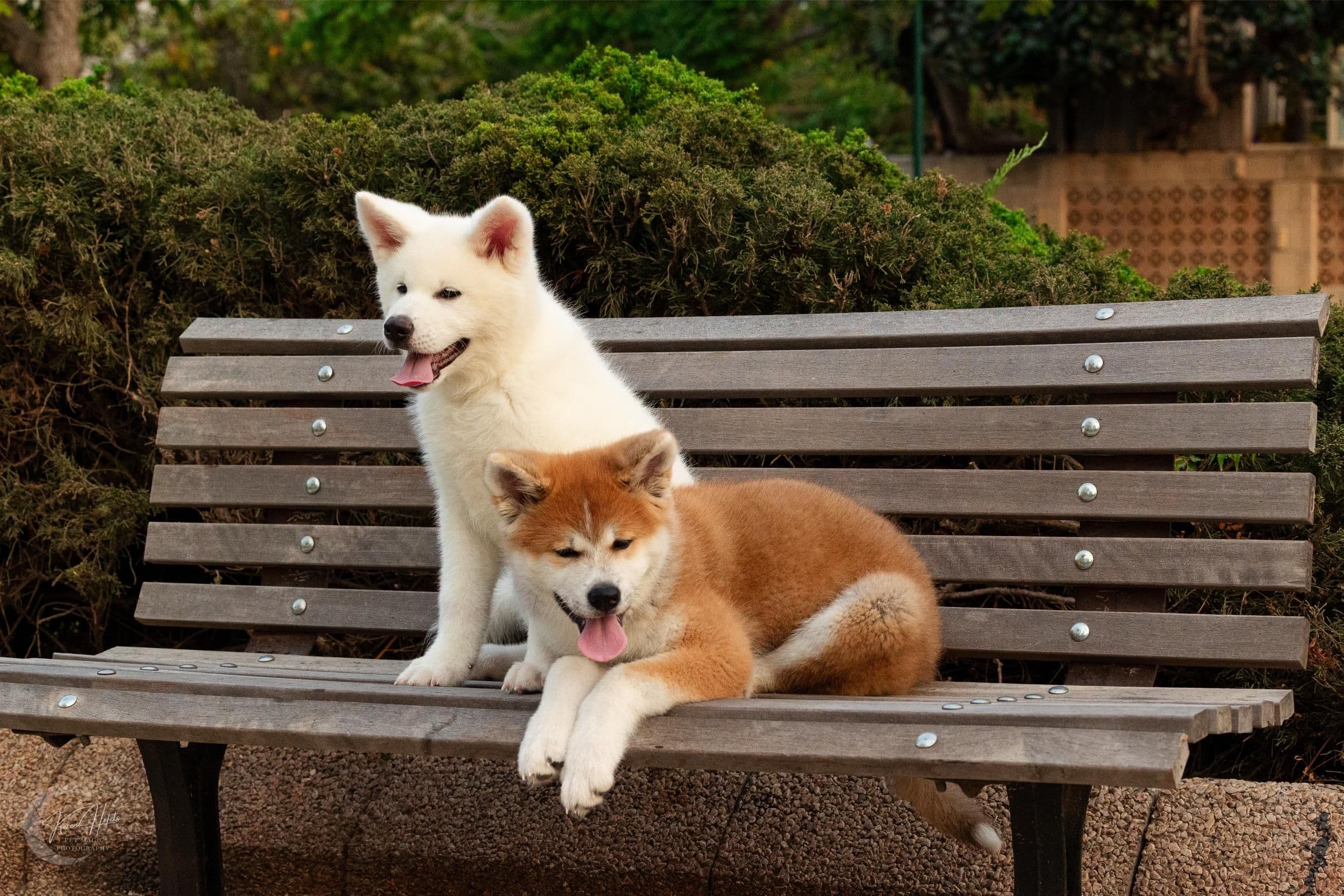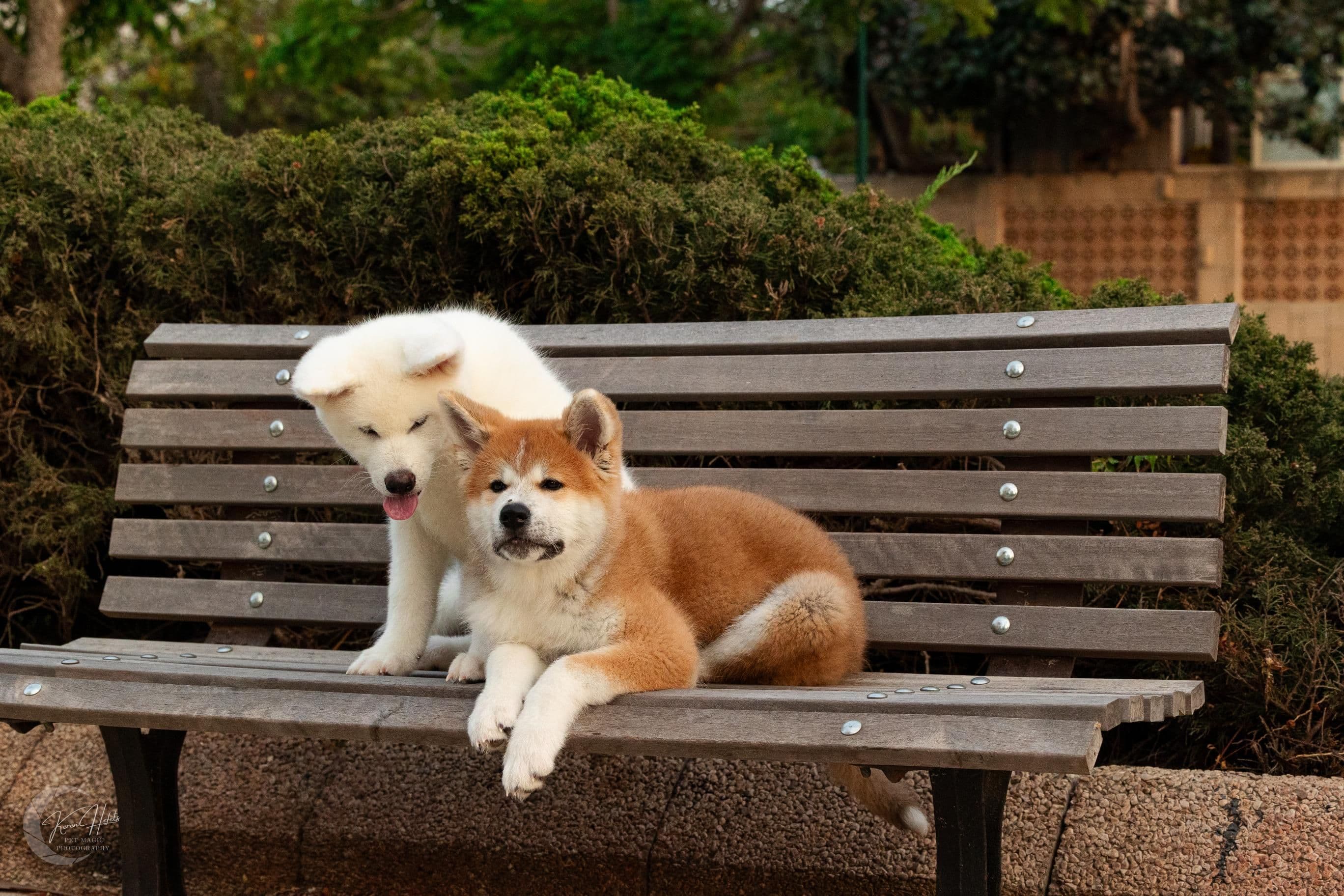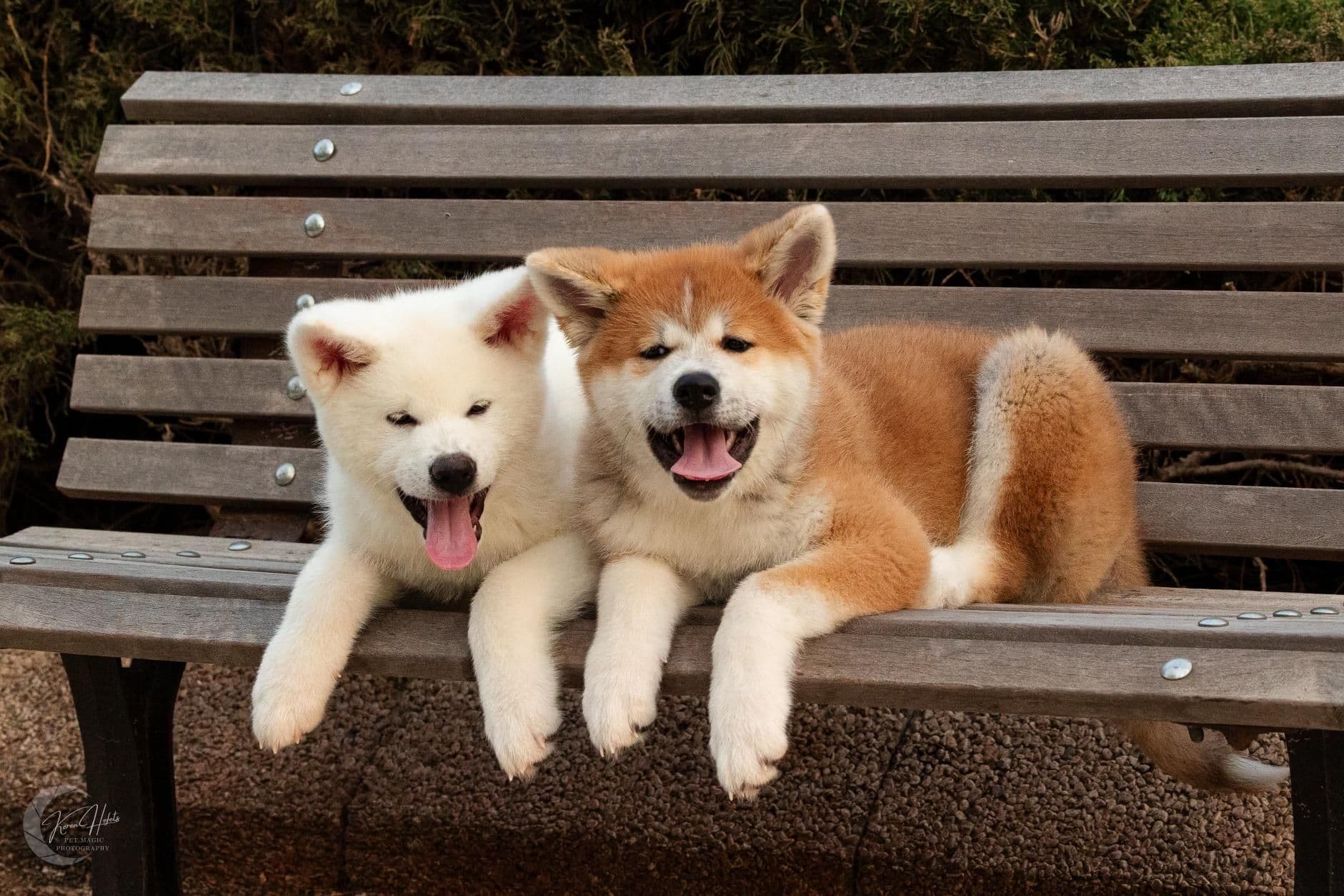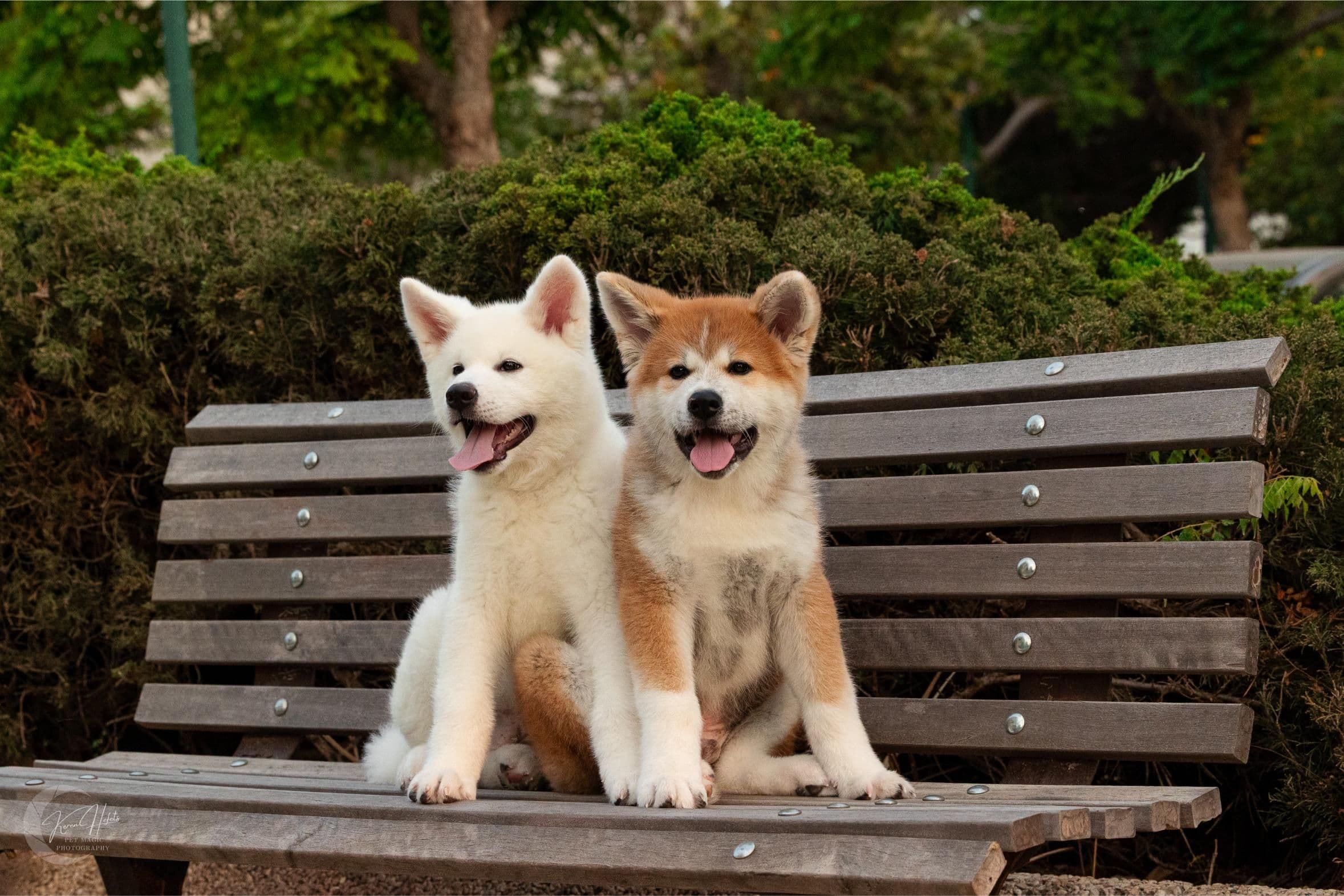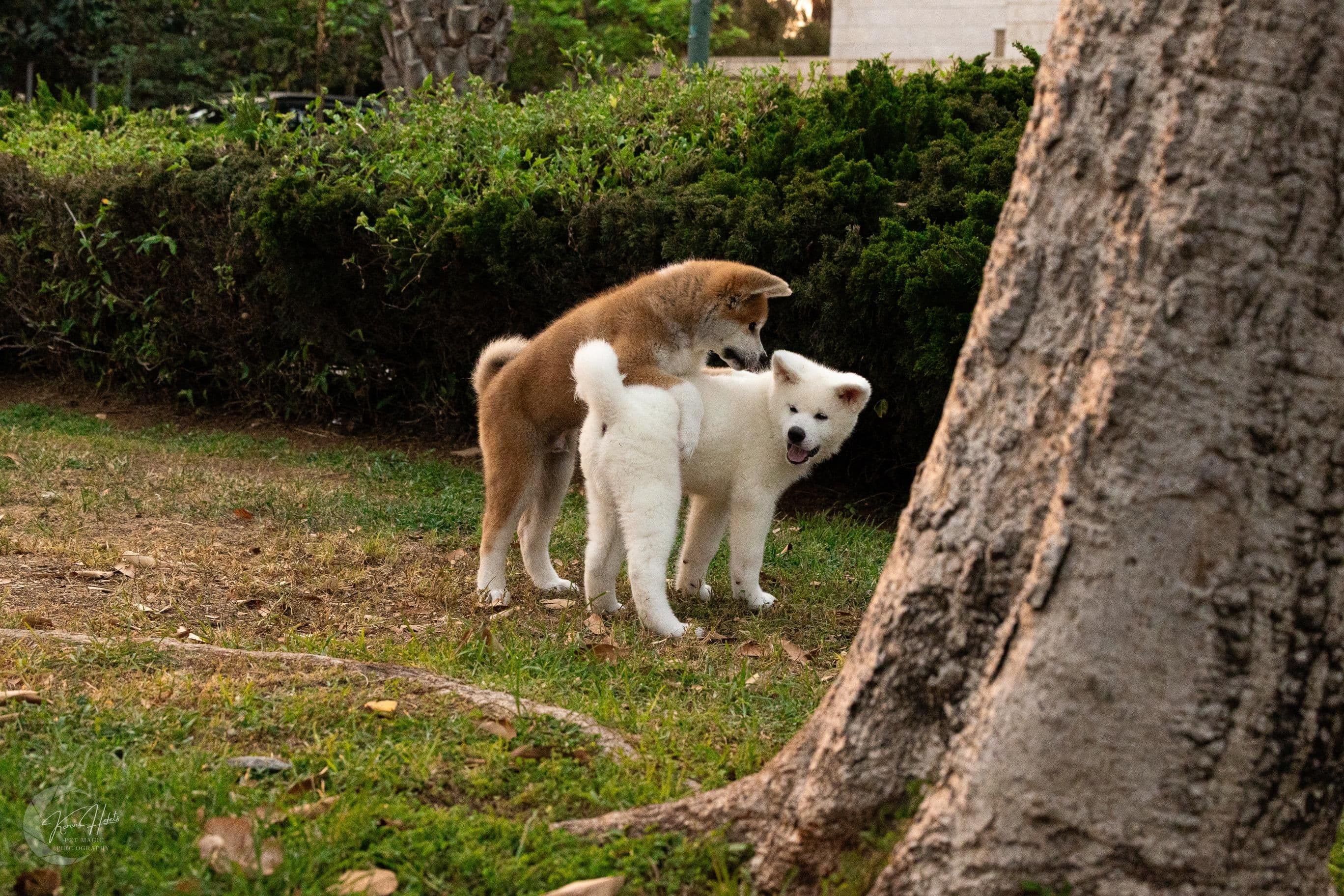
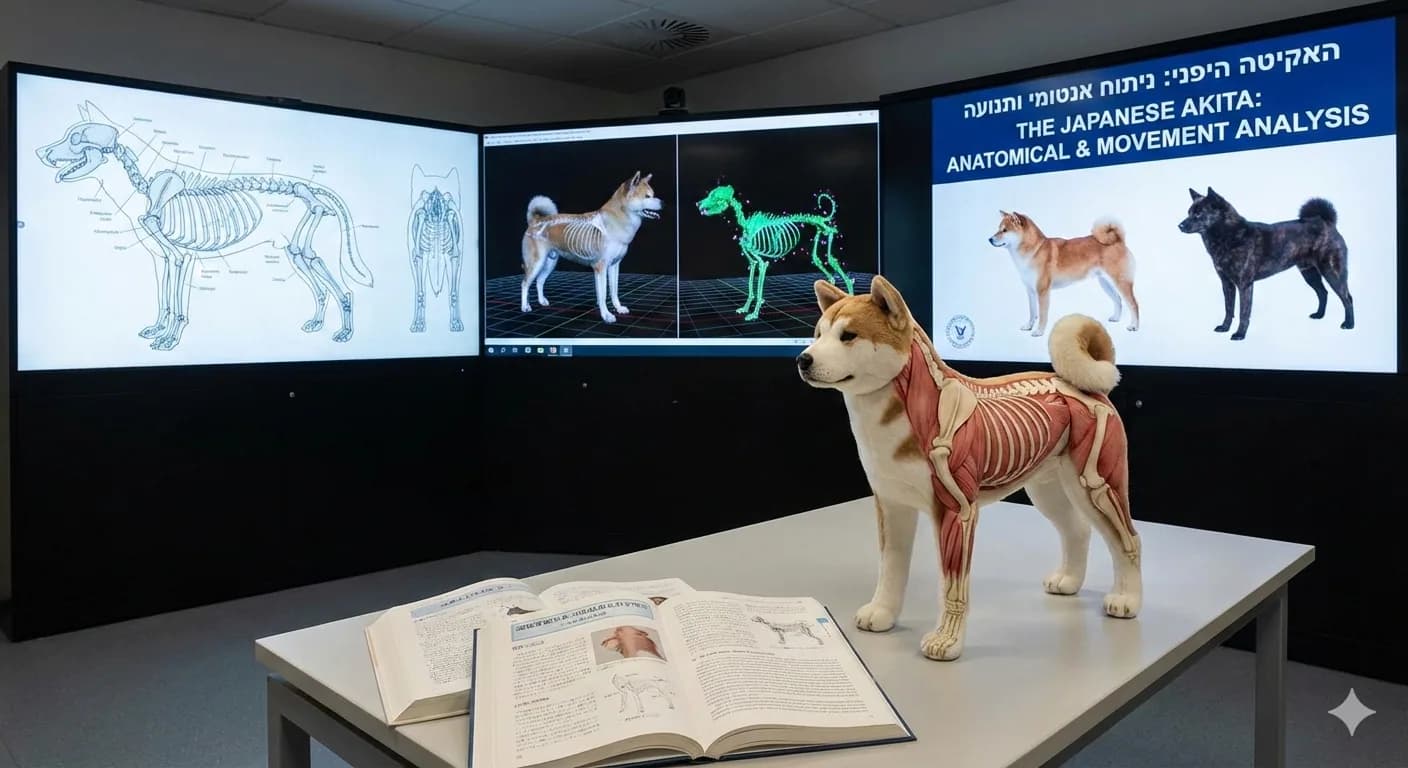

Akita Inu is one of the most impressive Japanese breeds, not only because of its noble appearance but also because of the way the body structure affects the movement, stability and endurance. This is a dog built to work in harsh field conditions, therefore every detail of its structure tells something about the historical role of the breed.
When you compare the Akita to the Shiba Inu, Hokkaido, Kai Ken, Shikoku and other Japanese breeds, you immediately see that the Akita presents a different combination: more mass, more strength, more measured movement and a physical presence that requires responsible breeding and a true understanding of the breed.
Akita Inu body structure
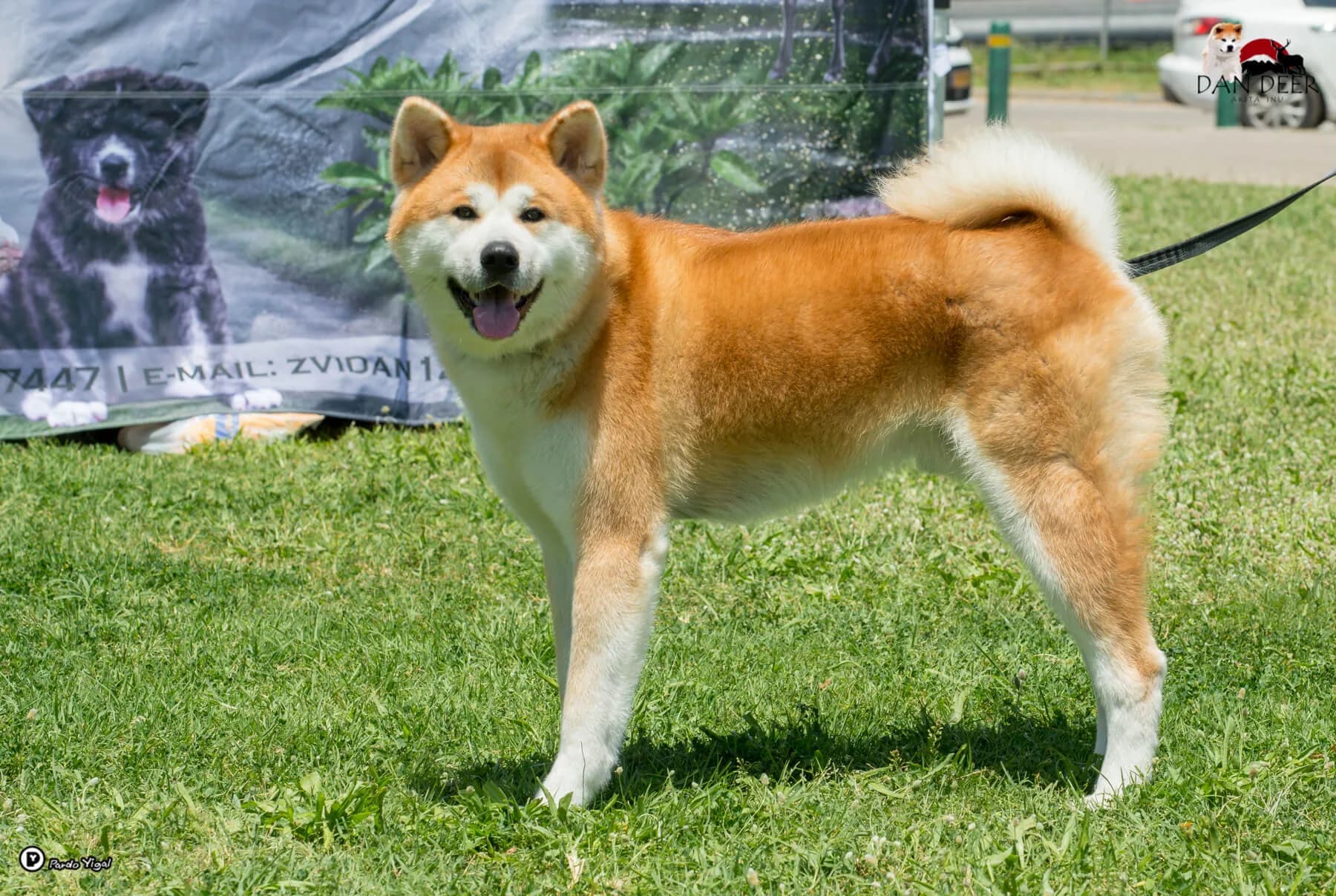
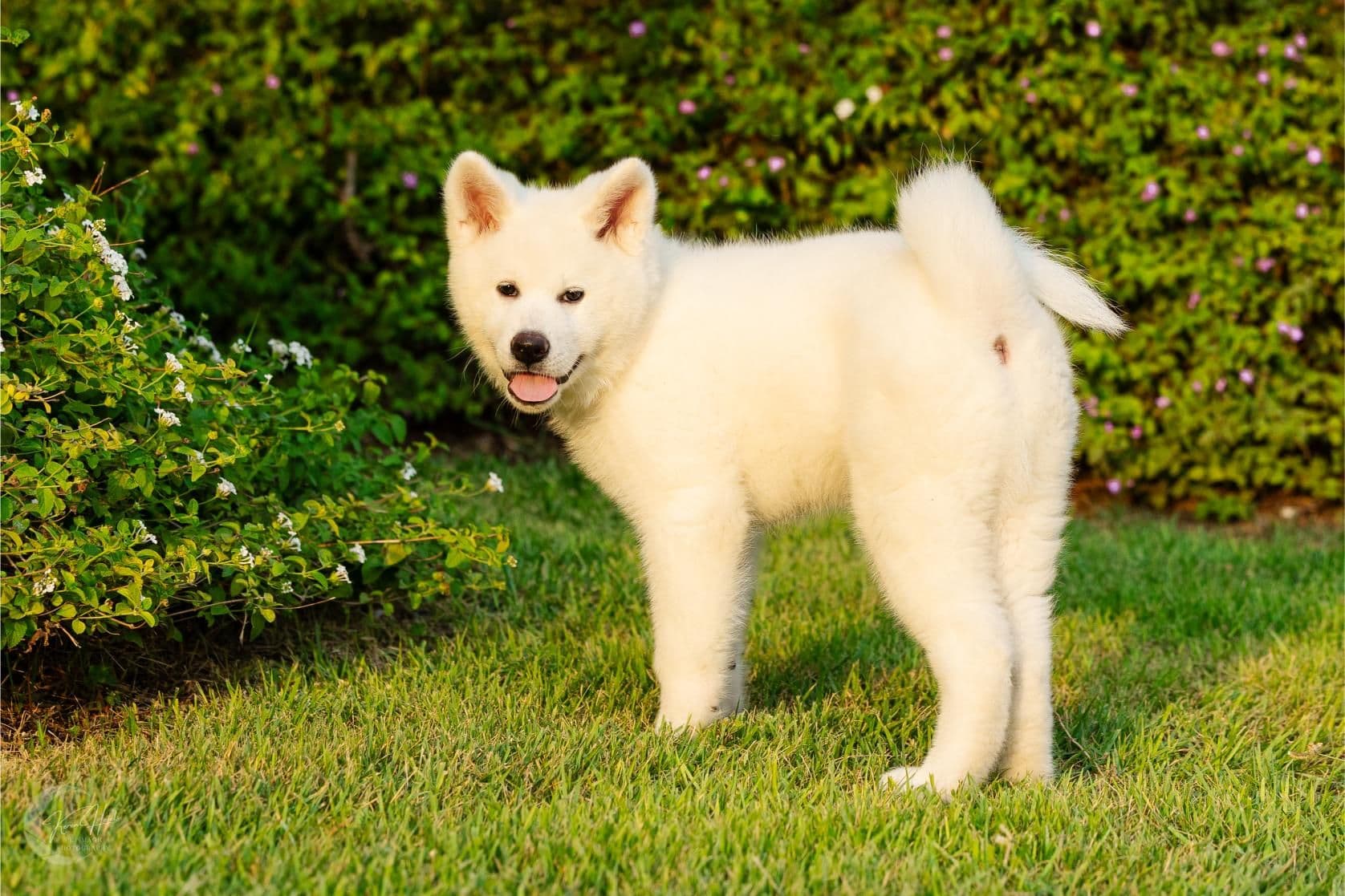
The body structure of the Akita is close to a square: the height of the shoulder blades is similar to the length of the body, and the proportions create a stable, balanced and strong dog. Unlike the smaller and more compact Shiba Inu, the Akita is built with a substantial skeleton, a deep chest and muscles that allow for strong but not nervous movement.
- A deep and well-developed chest that reaches the elbows and contributes to stability.
- Sloped shoulders that allow a longer and freer front step.
- Strong pelvis and hips that produce a good push from the hind legs.
- A stable and relatively short back, which helps maintain balance while moving.
How does the Akita compare to other Japanese breeds?
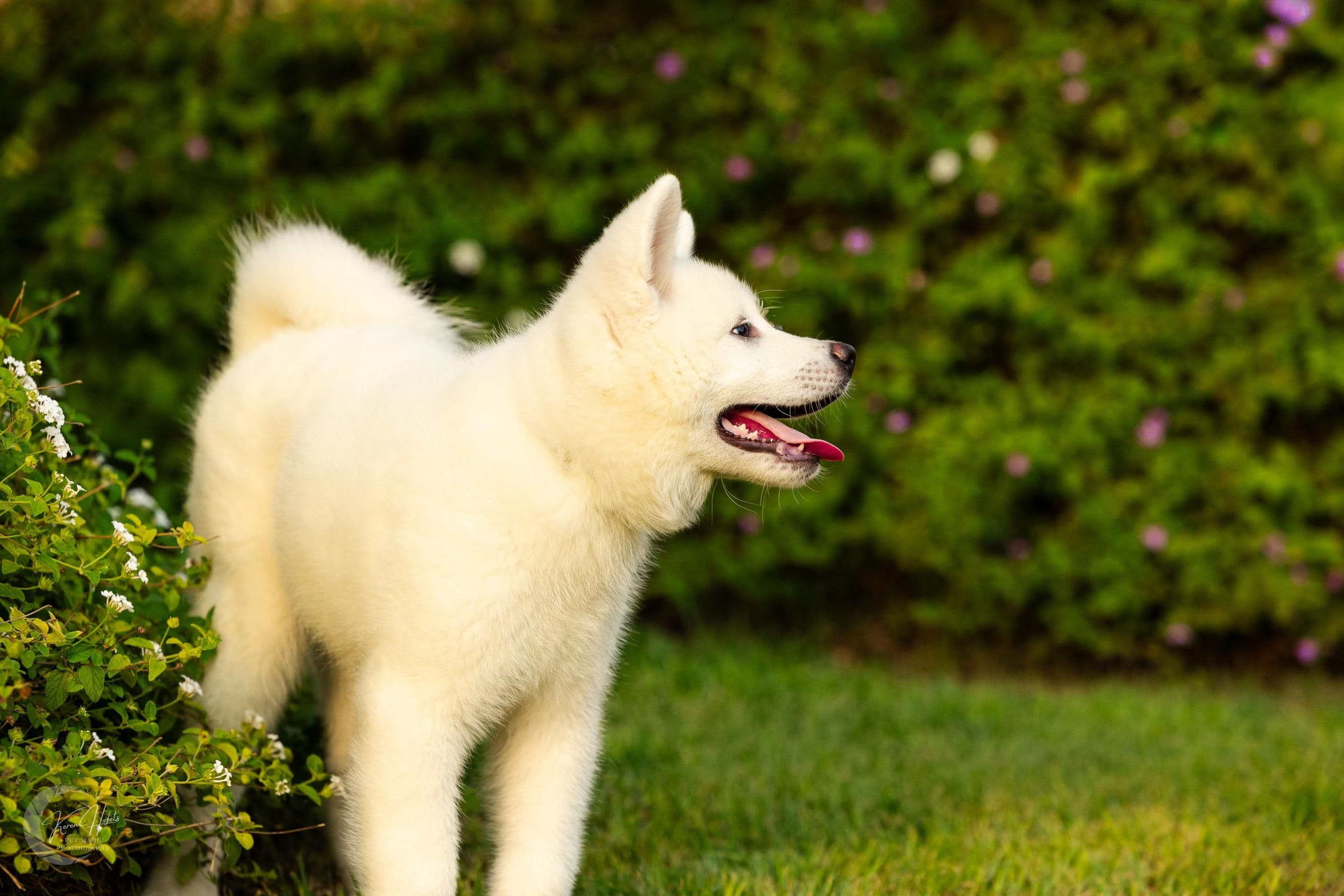
The Akita's movement is not as bouncy or light as the Shiba Inu's. She is measured, quieter and stronger. When walking, the Akita maintains a steady line of motion, and at a faster pace it may switch to a narrower motion where the legs converge towards the center line of the body.
Compared to Hokkaido and Kai Ken, Akita is less built for short and sharp bursts of speed, but presents an advantage in strength, presence and the ability to maintain stable movement over time. Compared to the Shikoku, which is lighter and faster in changes of direction, the Akita feels heavier and more controlled.
What does the structure say about the character and historical use?
The Akita was not developed as a modern sporting dog or as a small toy dog. Its structure is suitable for a working dog with strength, independence and the ability to handle challenging terrain. This is also one of the reasons why the breed requires owners who understand boundaries, consistency and proper energy management.
The strong body and quiet movement are connected to the character of the breed: Akita Inu is not a dog that tries to please at every moment. He examines, guards, reacts with restraint, and generally chooses economical and precise movement. That is why it is important to choose a puppy from a breeder who knows the bloodlines, character and structure of the parents well.
Joint health and movement throughout life
As with any large and strong breed, maintaining a proper weight, balanced growth and appropriate activity is of great importance to the Akita Inu. Excess weight or incorrect effort at a young age can affect the hip joints, elbows and the quality of movement.
- Avoid obesity, especially after puberty.
- Build fitness gradually through regular walks and not strenuous jumps.
- Make sure to eat quality food that is appropriate for age and activity level.
- Perform veterinary follow-up if lameness, stiffness or change in movement appears.
Adaptation to family and everyday life
Despite the impressive appearance, Akita Inu is not suitable for every home. He can be a very loyal family dog, but he needs owners who understand the breed's independence and the importance of proper exposure from a young age. Calm movement at home does not mean that the dog does not need activity, but that it needs precise activity and not unnecessary stress.
In a responsible breeding facility, not only beauty and certificates are examined, but also structure, movement, stability of character and compatibility between the puppy and the family. For a breed like the Akita Inu, this adaptation is especially important.
Summary
The Japanese Akita combines a powerful structure, quiet movement and an independent character. Compared to smaller or lighter Japanese breeds, it is less agile and light but more stable, strong and impressive. Those who are considering raising an Akita Inu should understand that the beauty of the breed comes with responsibility: choosing the right kennel, maintaining health and movement, and a deep familiarity with the dog's unique character.
before making a decision
If you are debating whether an Akita Inu is suitable for your home, it is recommended to talk to a breeder who knows the breed in depth. A correct match between the dog and the family is just as important as external appearance or certificates.