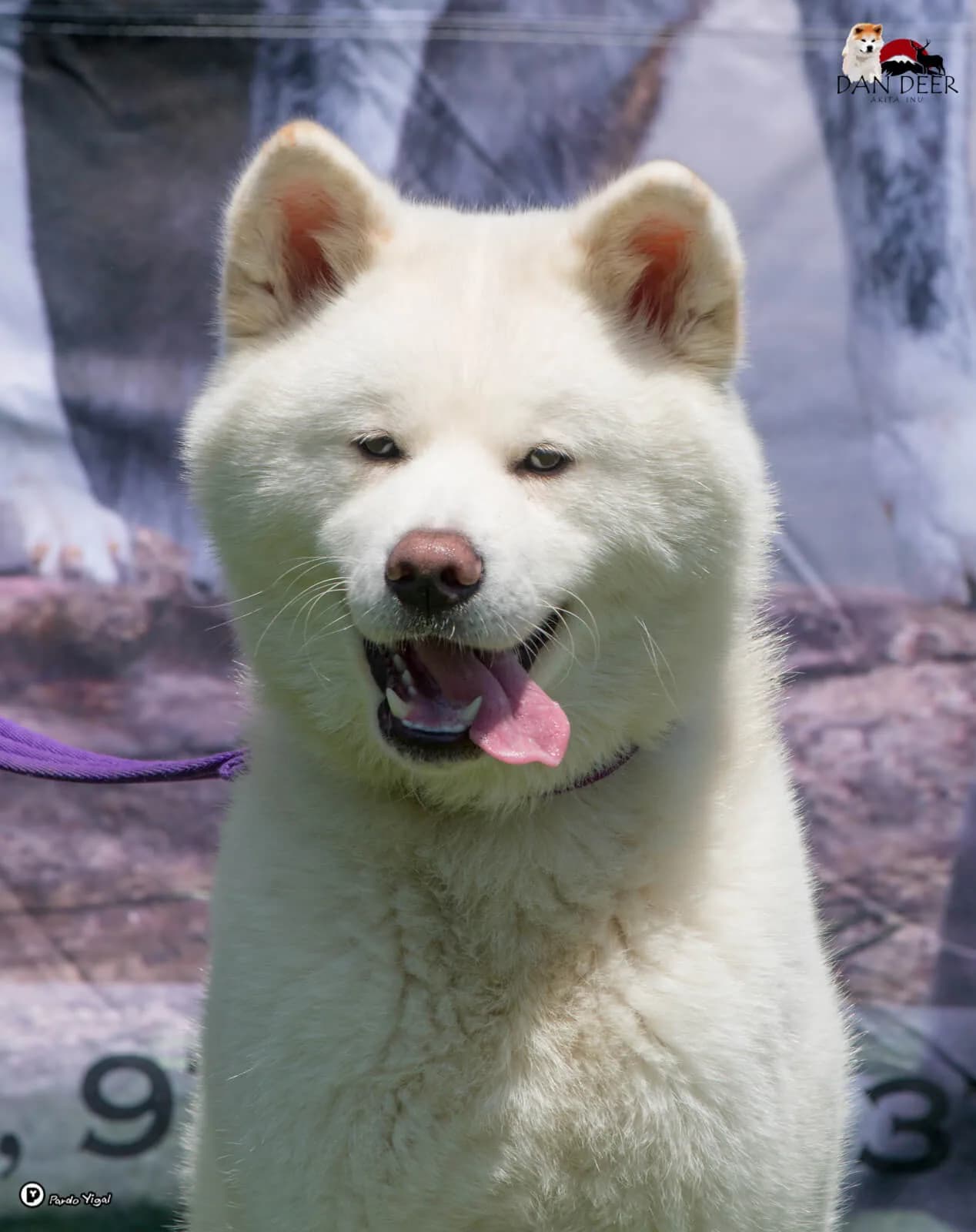
Character and suitability for the house
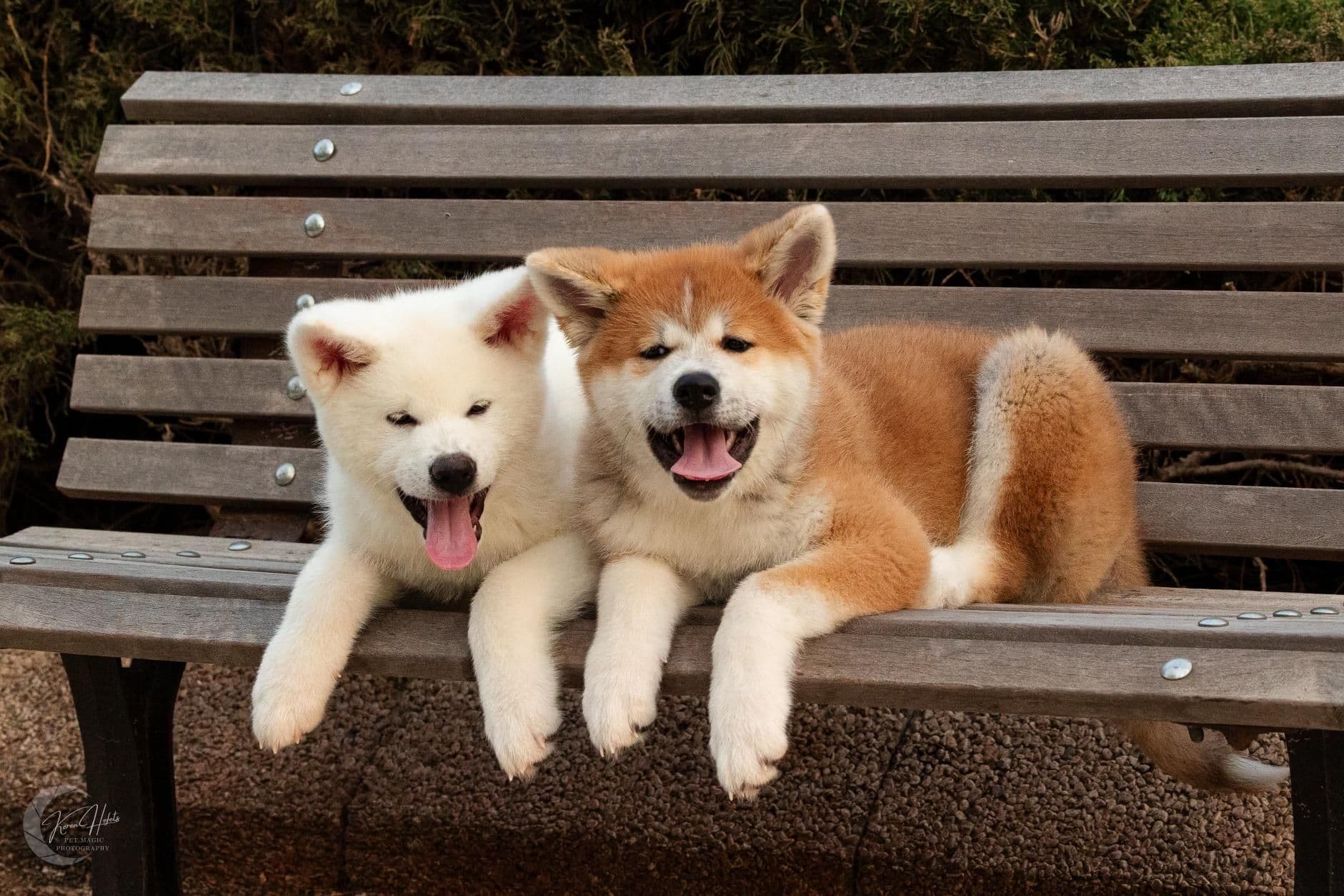
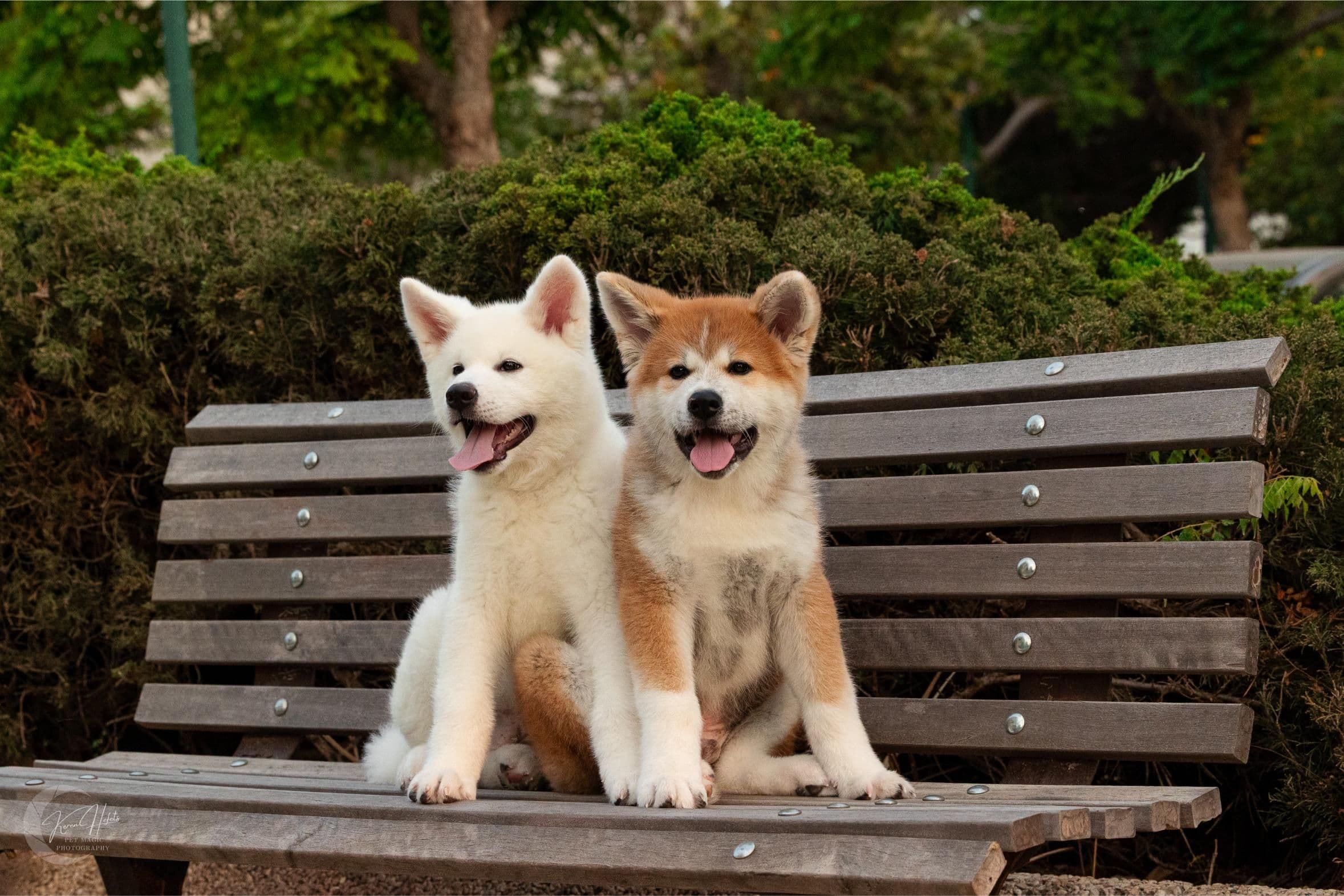
The Akita Inu breed is one of the most unique and respected breeds, and no wonder it attracts a lot of interest from families and potential dog owners. With his noble appearance, independent character and impressive history, there are quite a few questions that arise about his upbringing and lifestyle. Below are answers to the most common questions about the Akita Inu, which will help you understand if the breed is right for you.
Breeding an Akita Inu involves a financial investment but is rewarding with the experience of raising a loyal and loving dog.
- Food expenses: The Akita Inu needs quality food adapted to the breed. The cost of premium dry food is about NIS 250-400 per month.
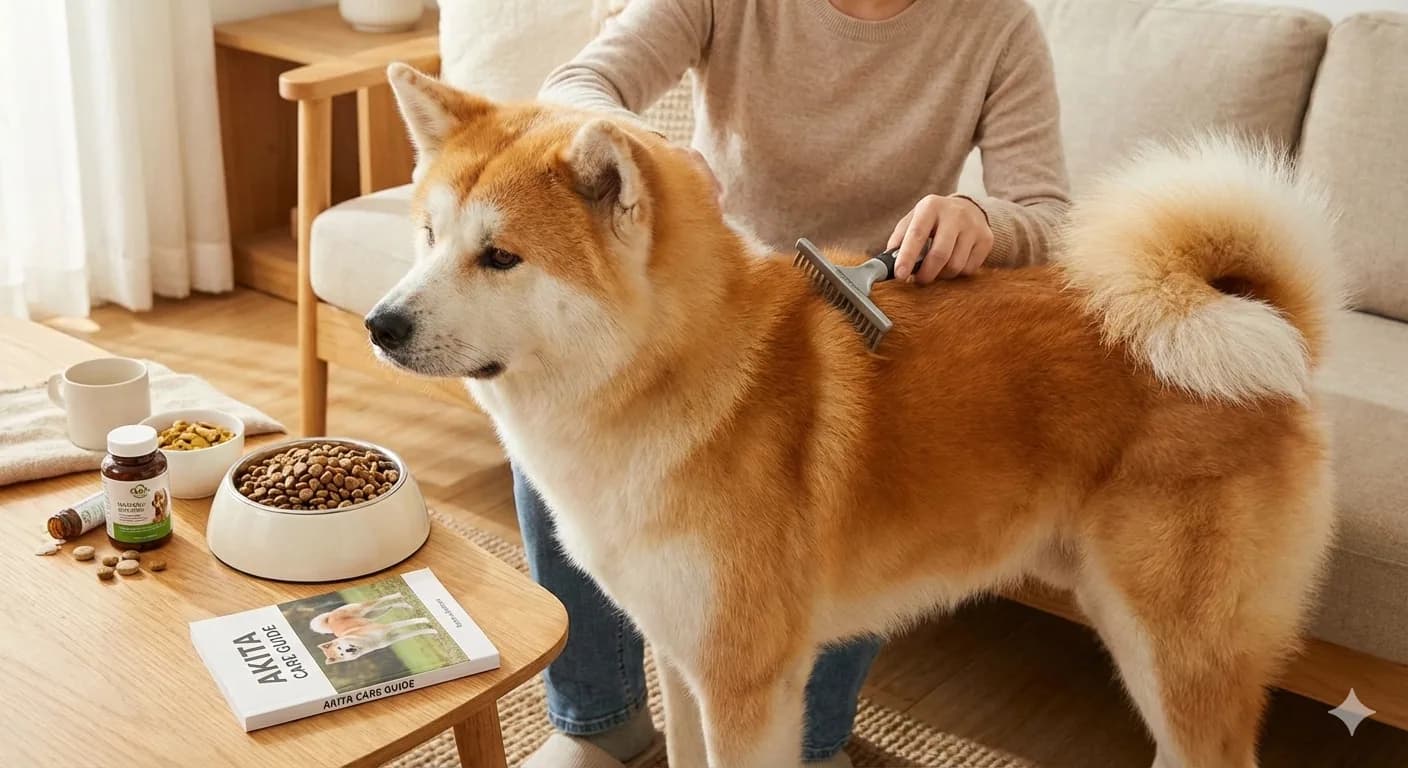
- Grooming: Expenses for fur grooming, such as brushing and special products, which may cost between 300 and 500 NIS per year, must be taken into account.
- Medical treatment: vaccinations, preventive treatments (such as against fleas and worms), and periodic examinations may cost between 1,500 and 2,500 NIS per year.
The Akita Inu is an independent dog with a strong territorial instinct, which means that it may not get along well with other animals, especially if it is not used to it from a young age.
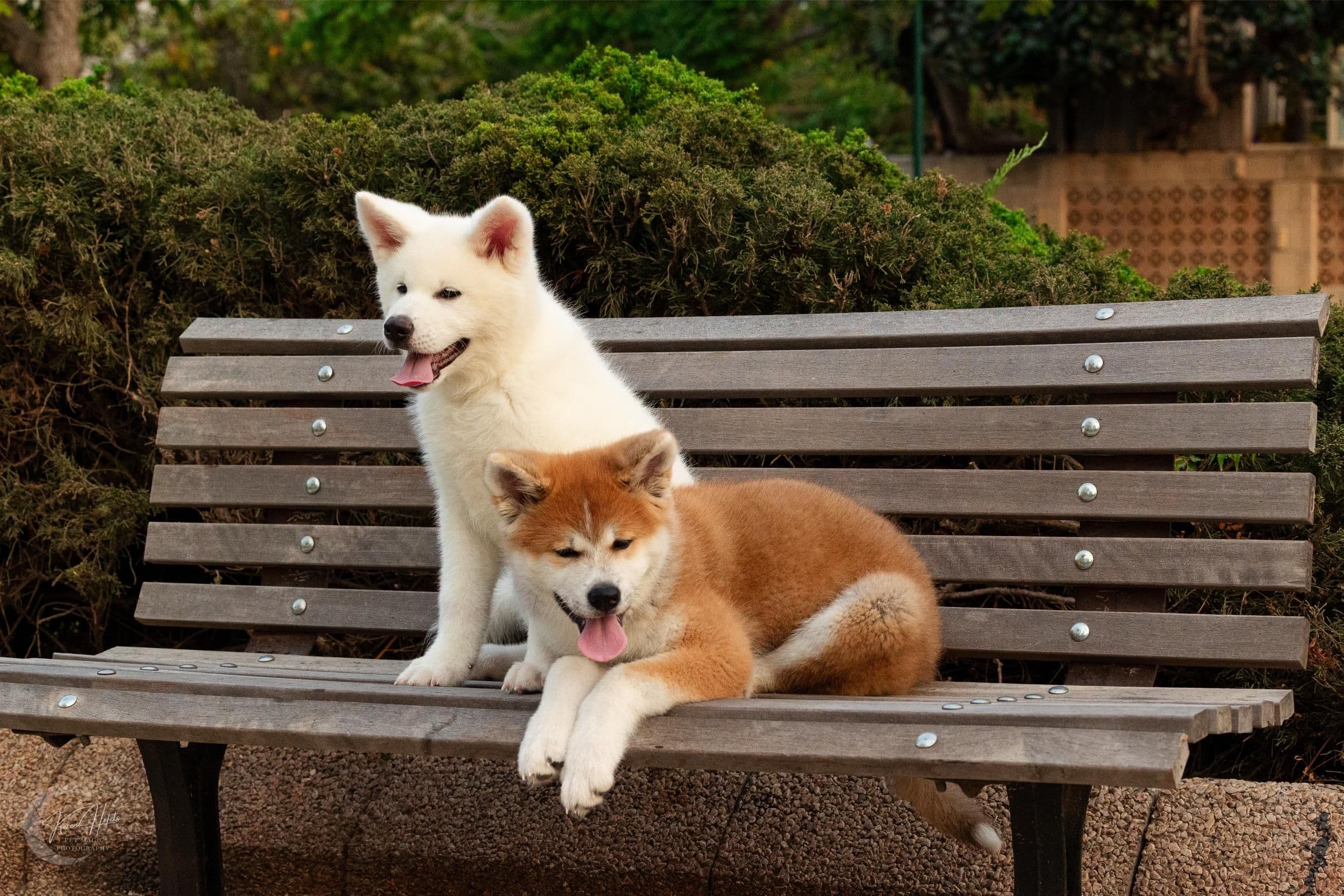
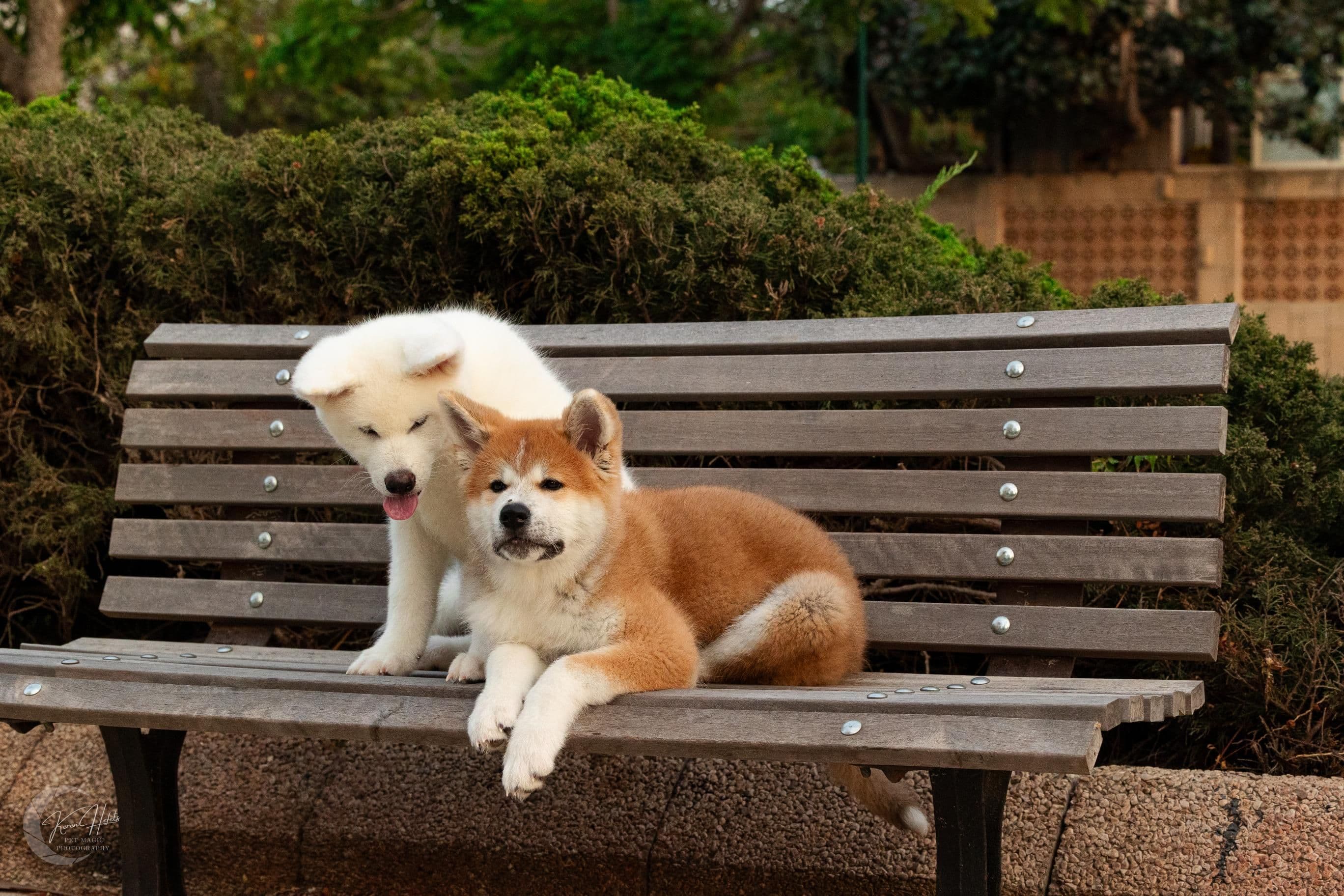
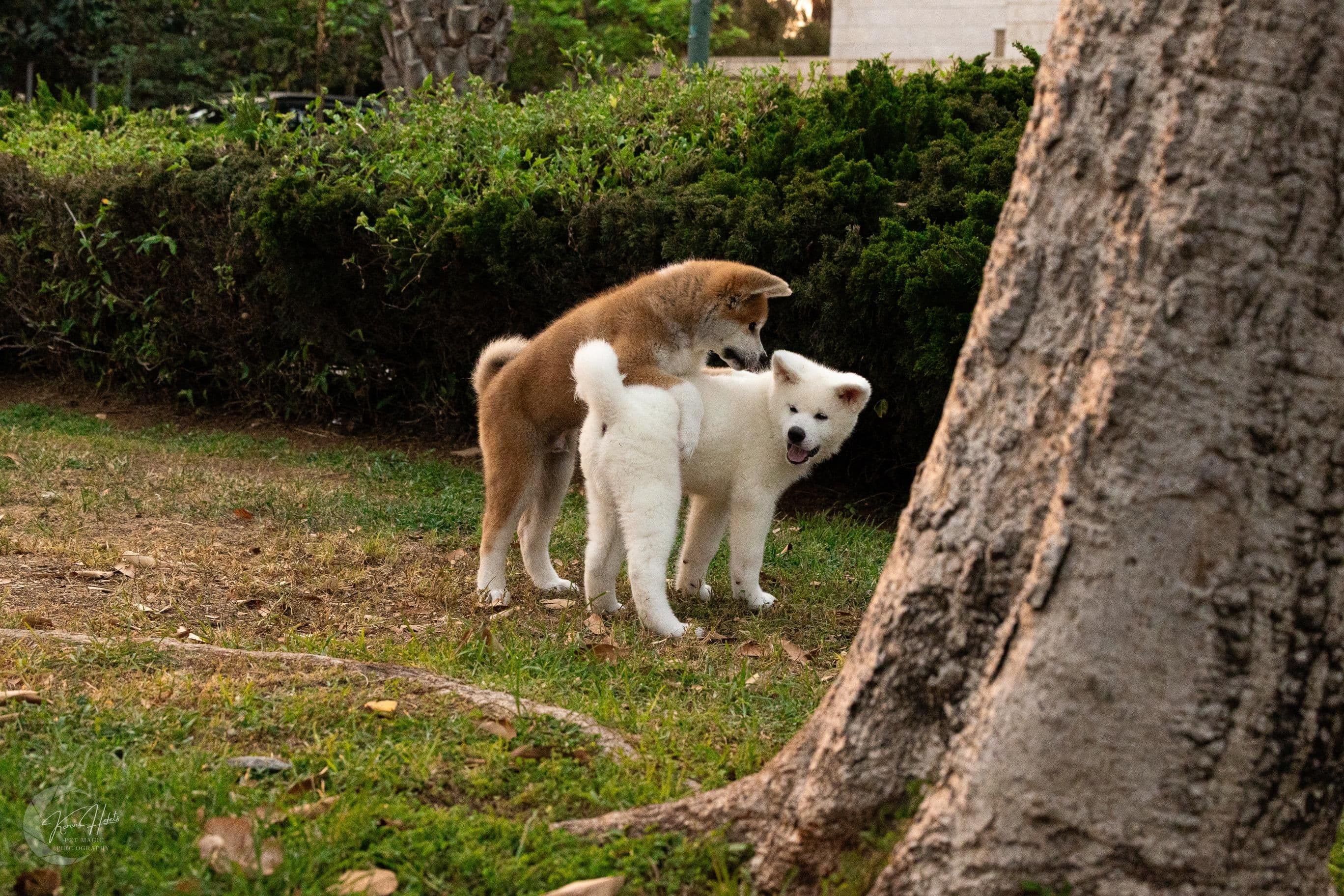
- Sociability: If the Akita Inu is exposed to other animals (such as dogs or cats) from a young age and gradually, there is a high chance that he will accept them as part of the family.
- Tips for integrating additional animals: Make sure to introduce them gradually in a controlled environment. Make sure each animal gets its own personal space. Do not leave the animals together unsupervised until you are sure they are getting along.
Health, care and routine
Although it originates from the cold climate of Japan, the Akita Inu can also adapt to the hot weather in Israel, provided that it is provided with suitable conditions.
- Dealing with heat: The Akita Inu has double coat, which insulates both from heat and from cold. It is important to provide the dog with a shaded place and access to fresh water at all times. Strenuous physical activity during the hot hours of the day should be avoided.
- Shedding season: In warm climates, the Akita may shed a large amount of fur during the shedding seasons. Regular brushing helps reduce the amount of shedding and keep it healthy.
The Akita Inu can be a great companion for children, but proper handling by the family is required.
- Advantages: The Akita's loyalty makes him a natural protector of children in the family. He is quiet and patient, but does not back down when he feels threatened.
- Challenges: The Akita Inu is not suitable for families with too young children who do not know how to behave carefully around it. It is important to teach the children to respect the dog's boundaries and to act patiently.
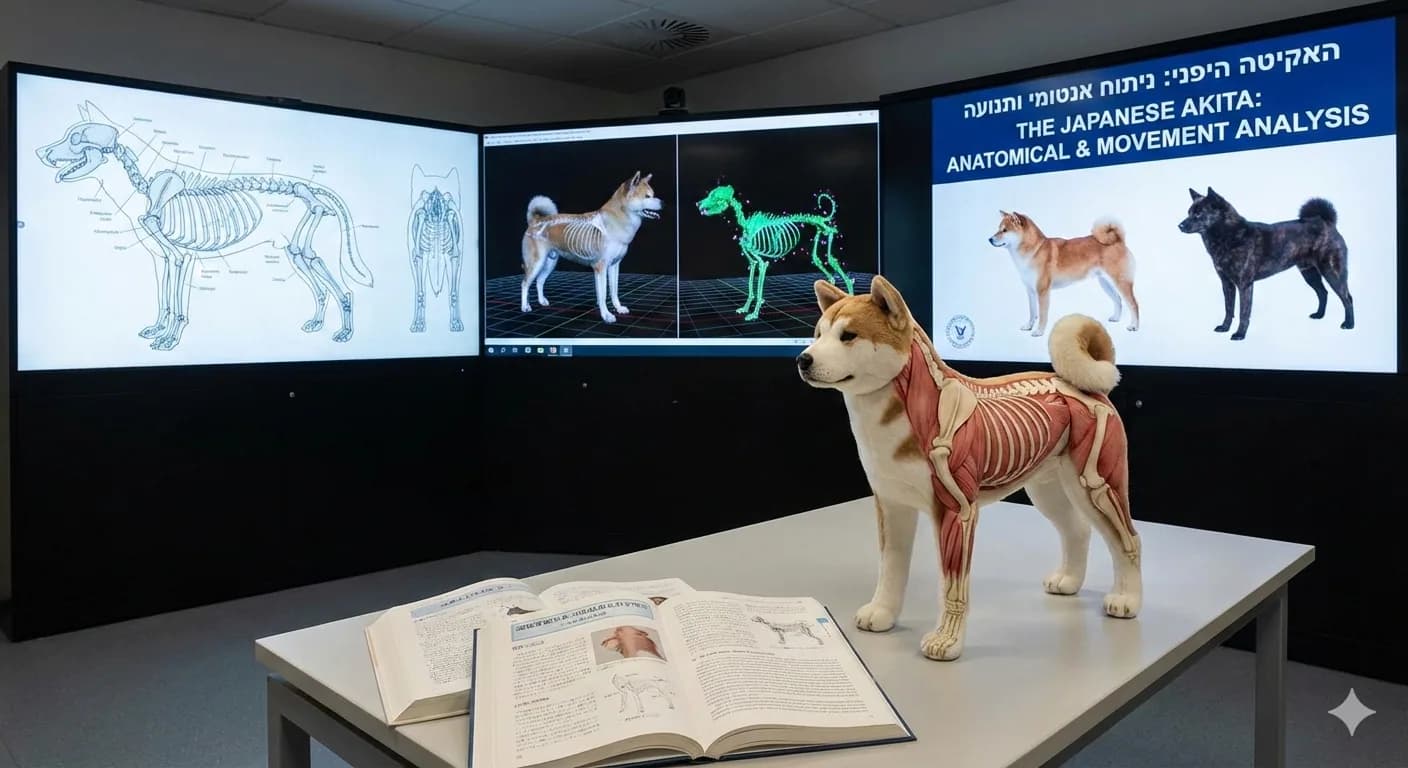
The Akita Inu is considered a unique dog thanks to its prominent features:
Training, children and choosing a puppy
- Independent and intelligent character: he tends to think for himself and examine situations before he reacts.
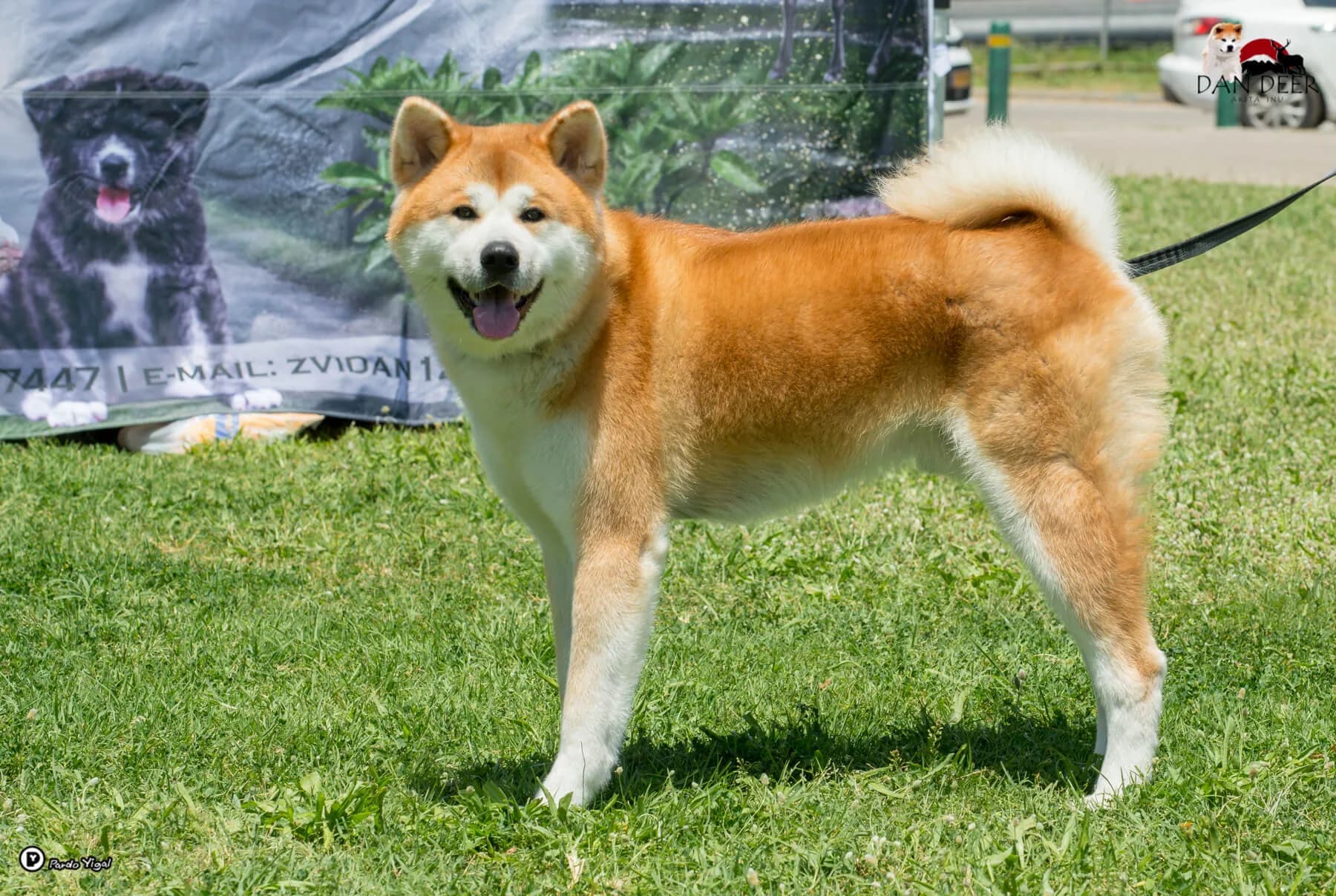
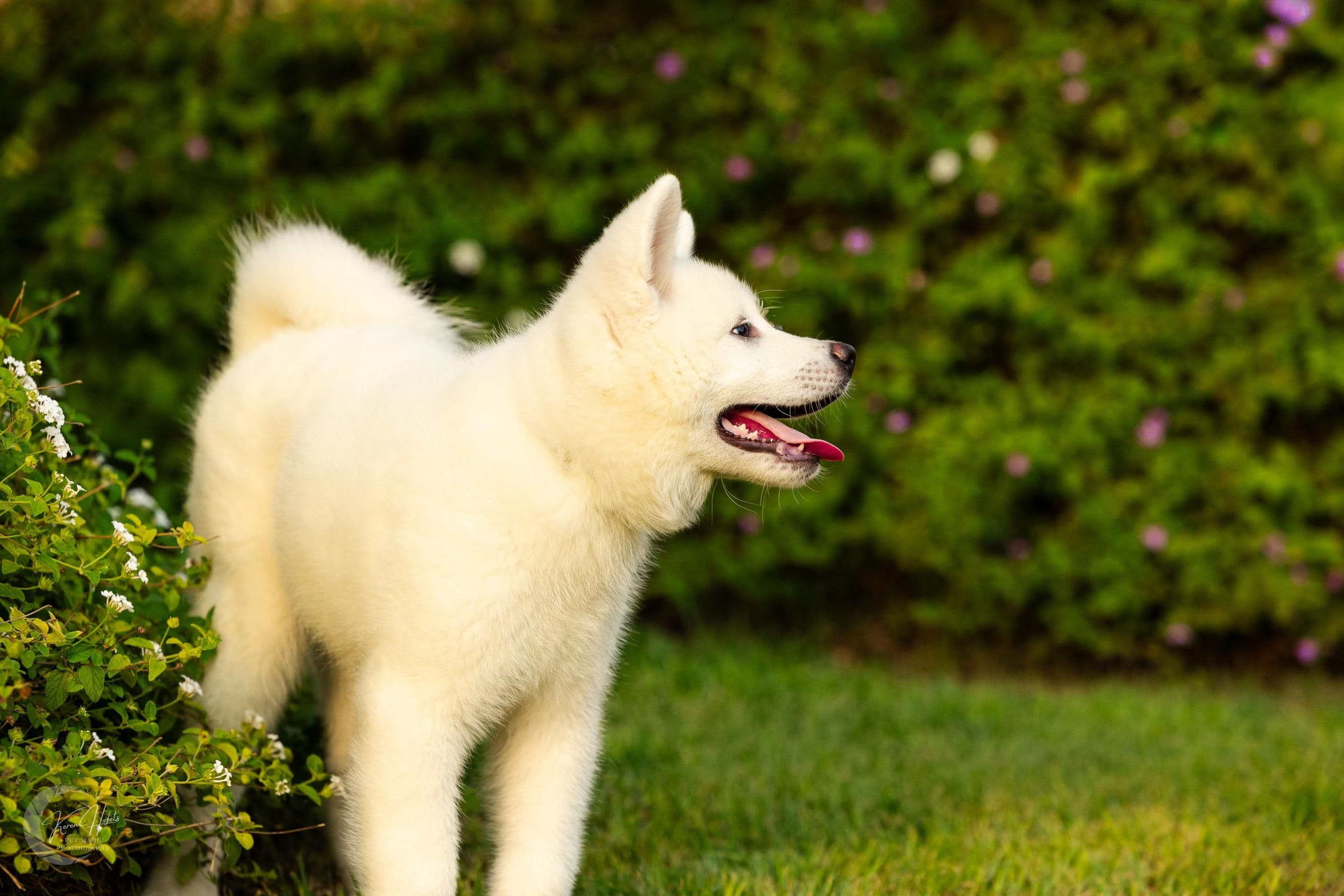
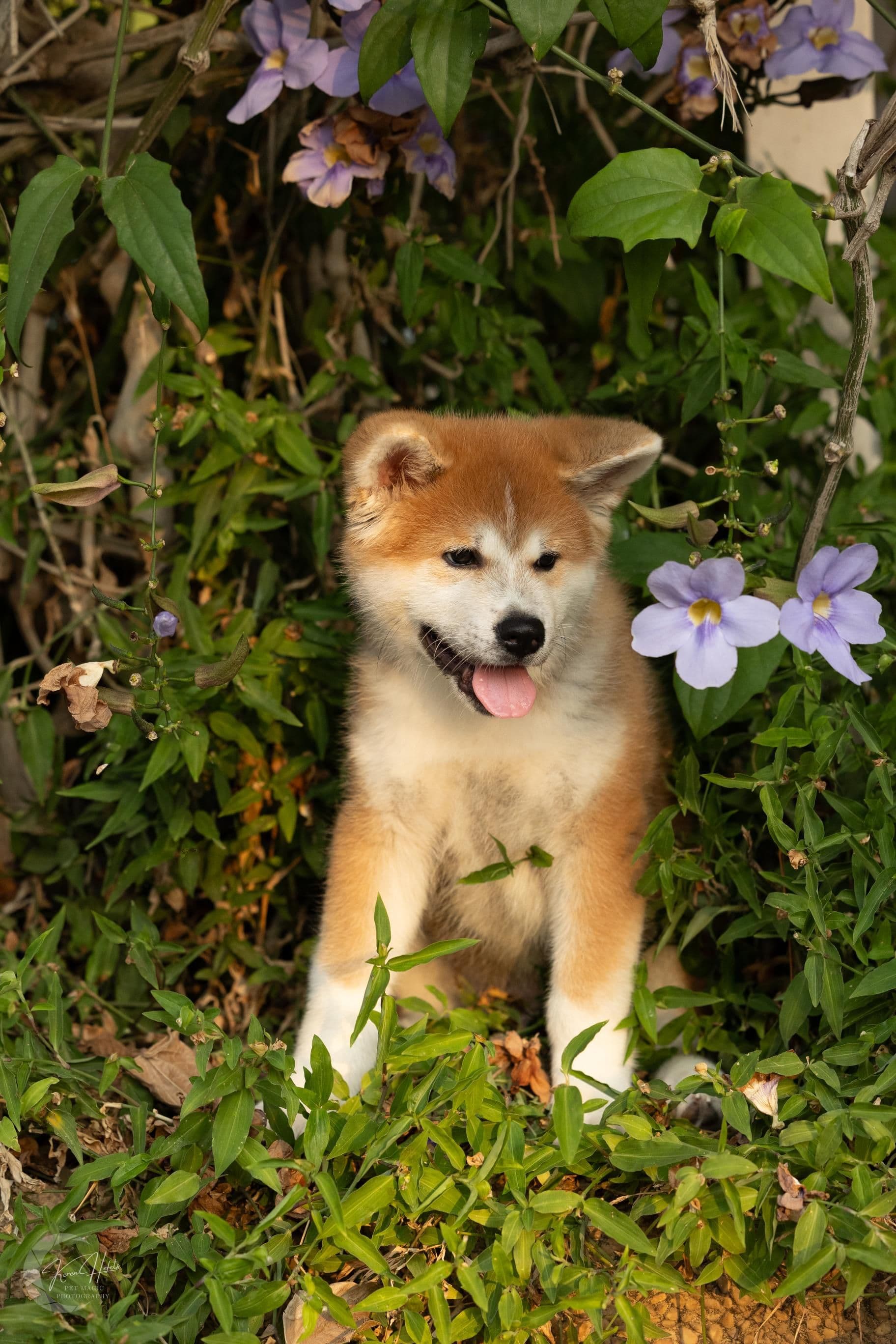
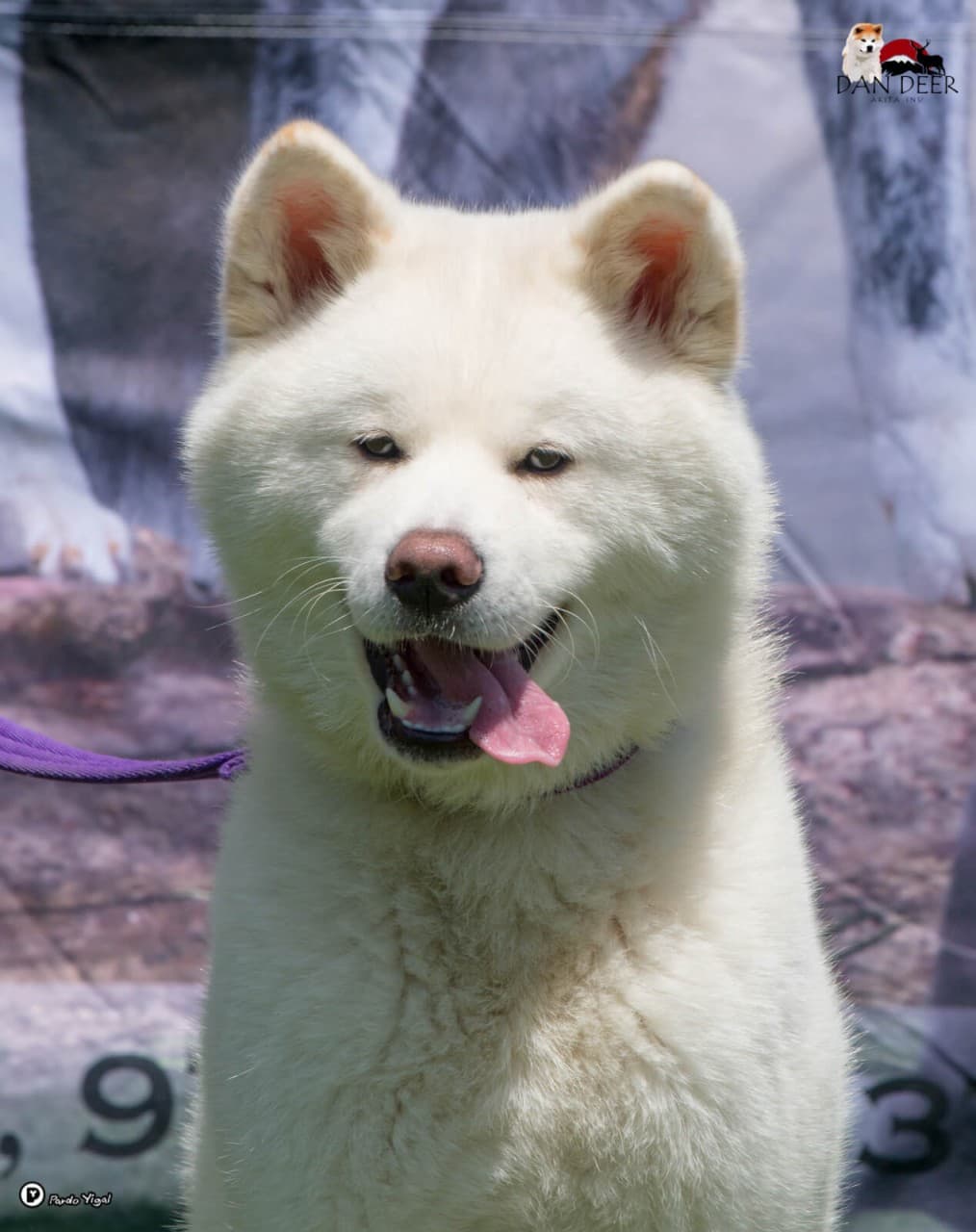
- Extraordinary beauty: its luxurious fur, strong body structure and piercing eyes make it one of the most impressive breeds in the world.
- A symbol of loyalty: Hachiko's story represents the boundless loyalty of the Akita Inu.
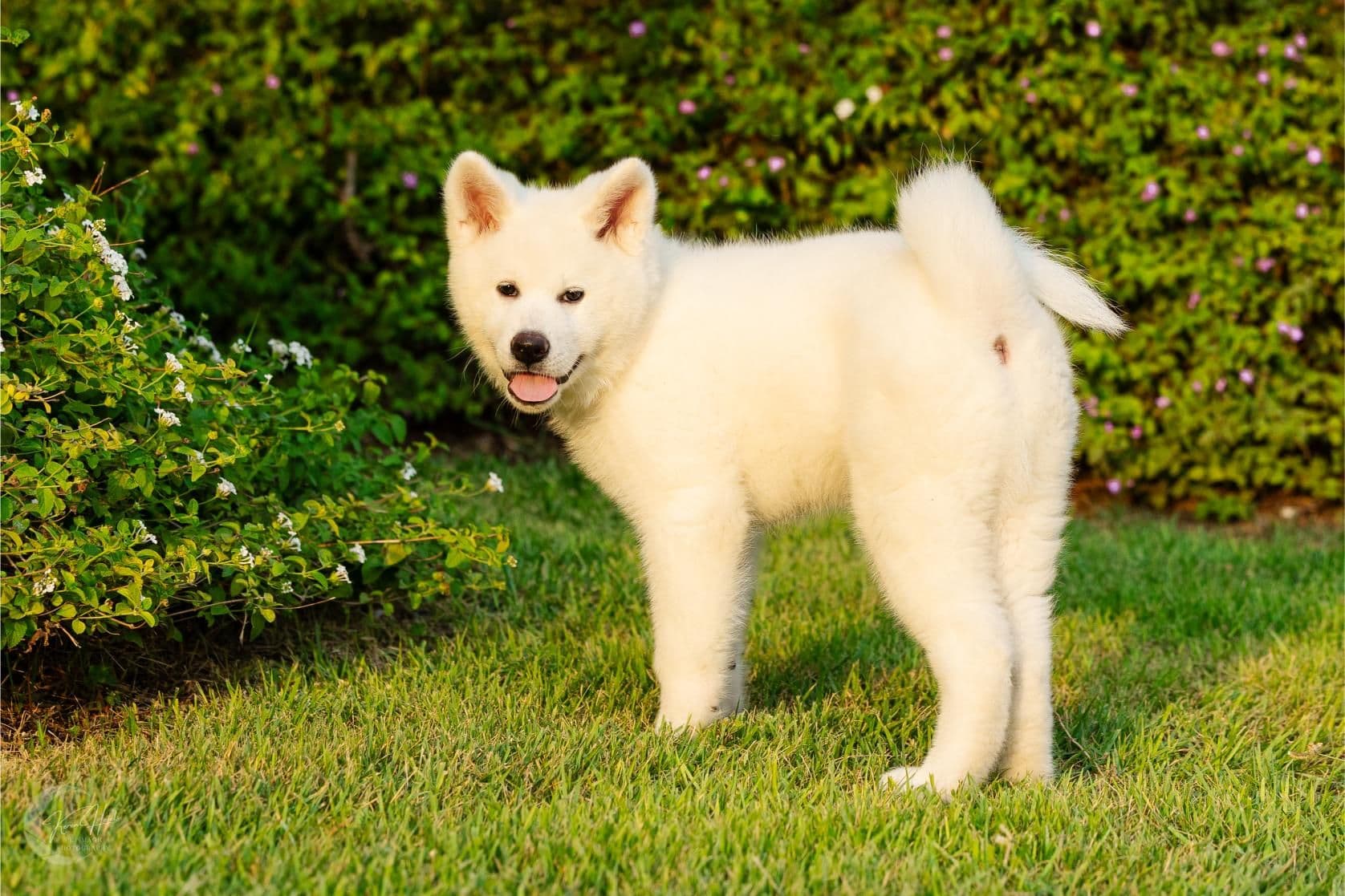
It is important to choose a professional kennel that takes care of the health of the dogs and the cultivation of the characteristics characteristic of the breed.
- At the Dan Deer kennel, we perform genetic tests for the parents, make sure the puppies are healthy and provide professional support to every family that adopts a puppy from us.
The Akita Inu is a unique breed that is suitable for those with experience who are willing to invest in training and care. With proper understanding and attention to his needs, he will become a loyal and devoted family member. If you are considering breeding an Akita, the Dan Deer kennel will be happy to accompany you through the process and ensure that you choose the most suitable dog for you.
before making a decision
If you are debating whether an Akita Inu is suitable for your home, it is recommended to talk to a breeder who knows the breed in depth. A correct match between the dog and the family is just as important as external appearance or certificates.