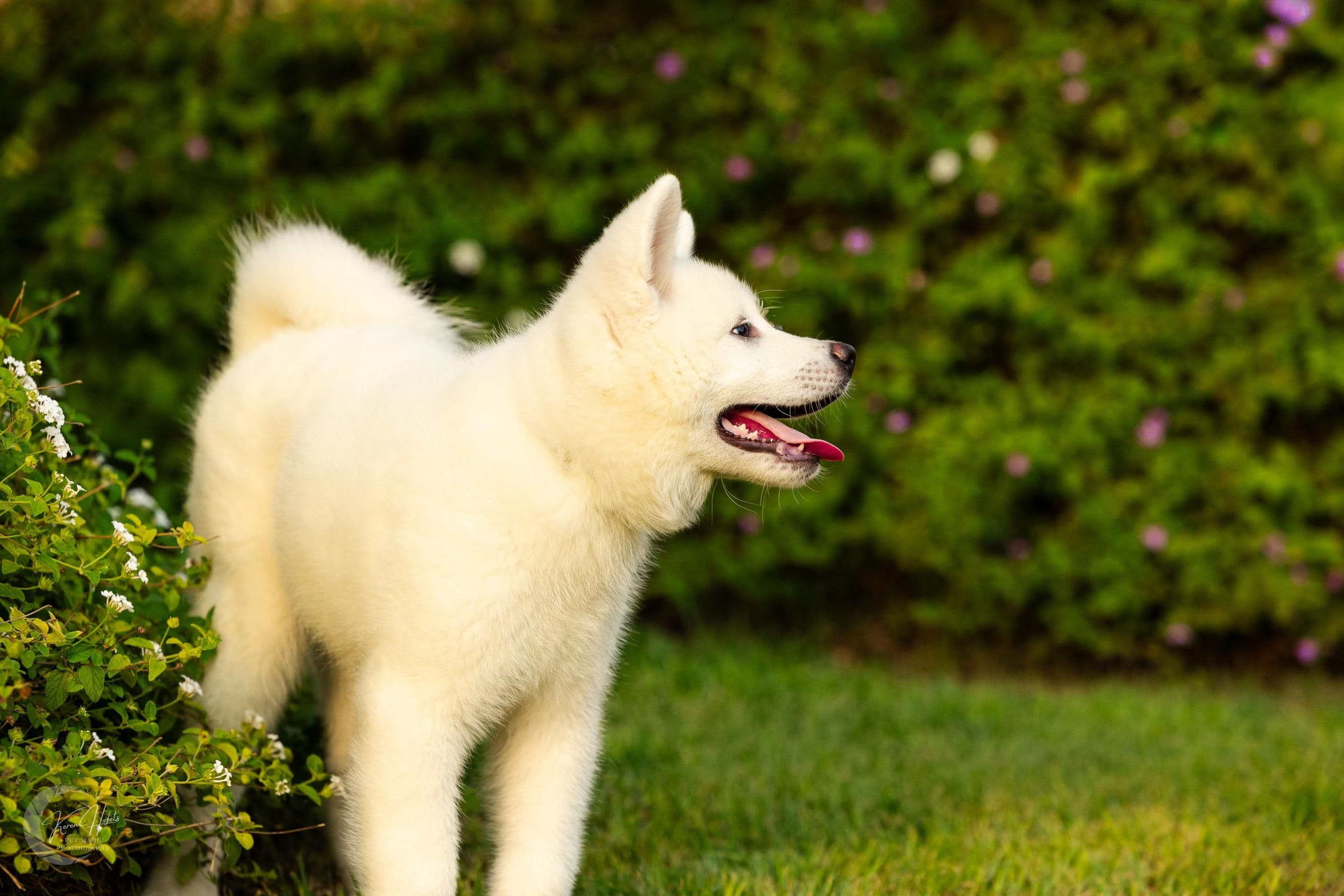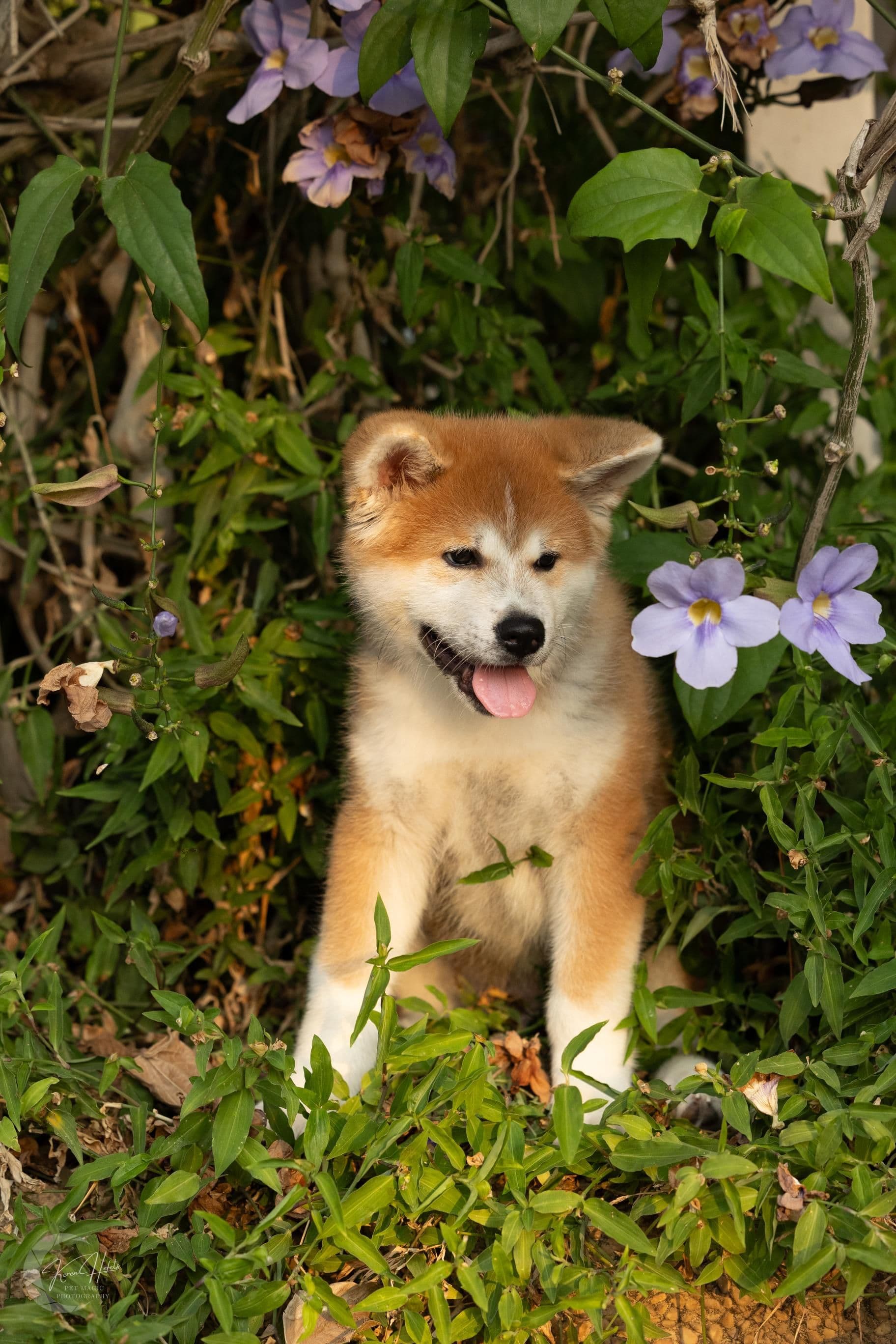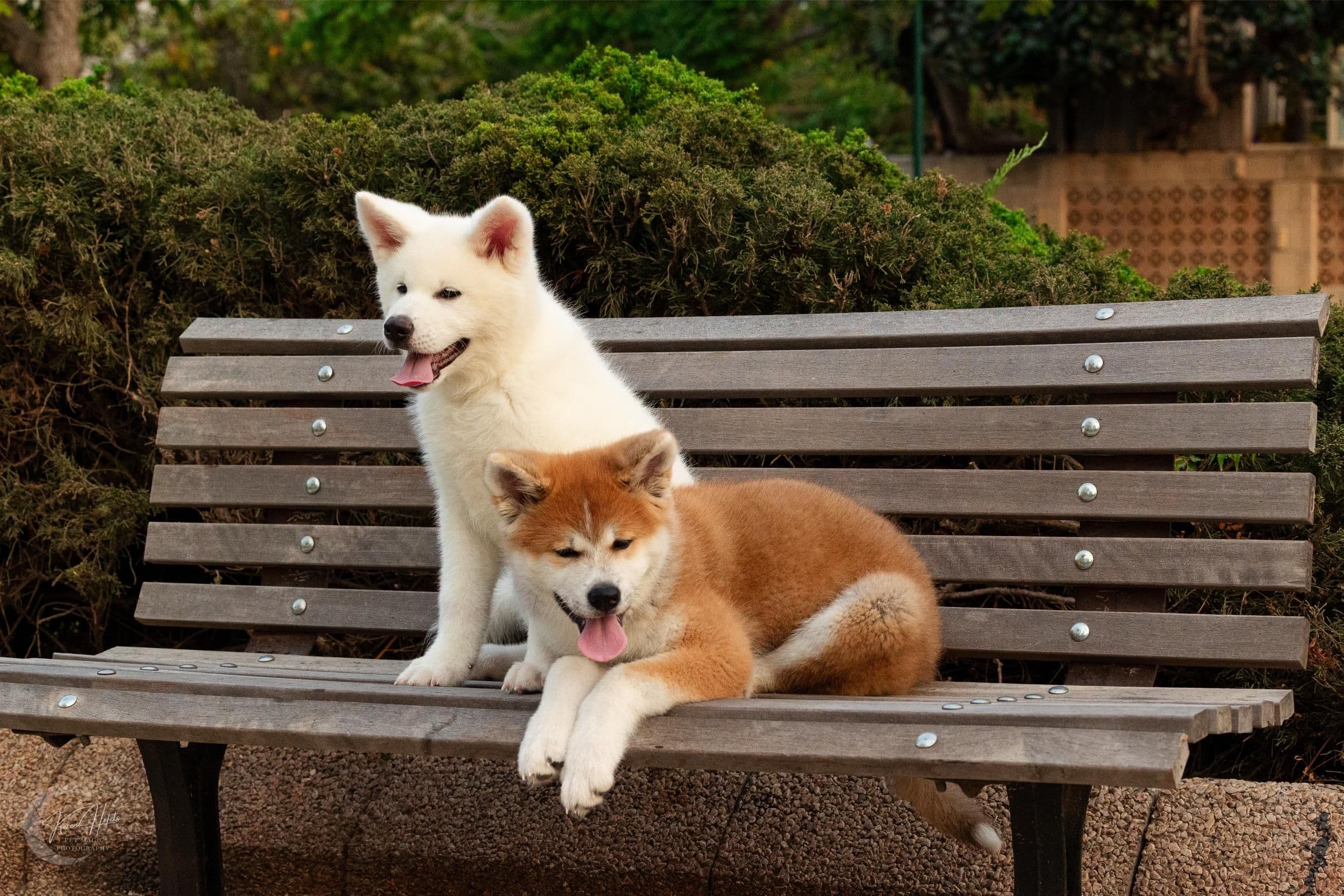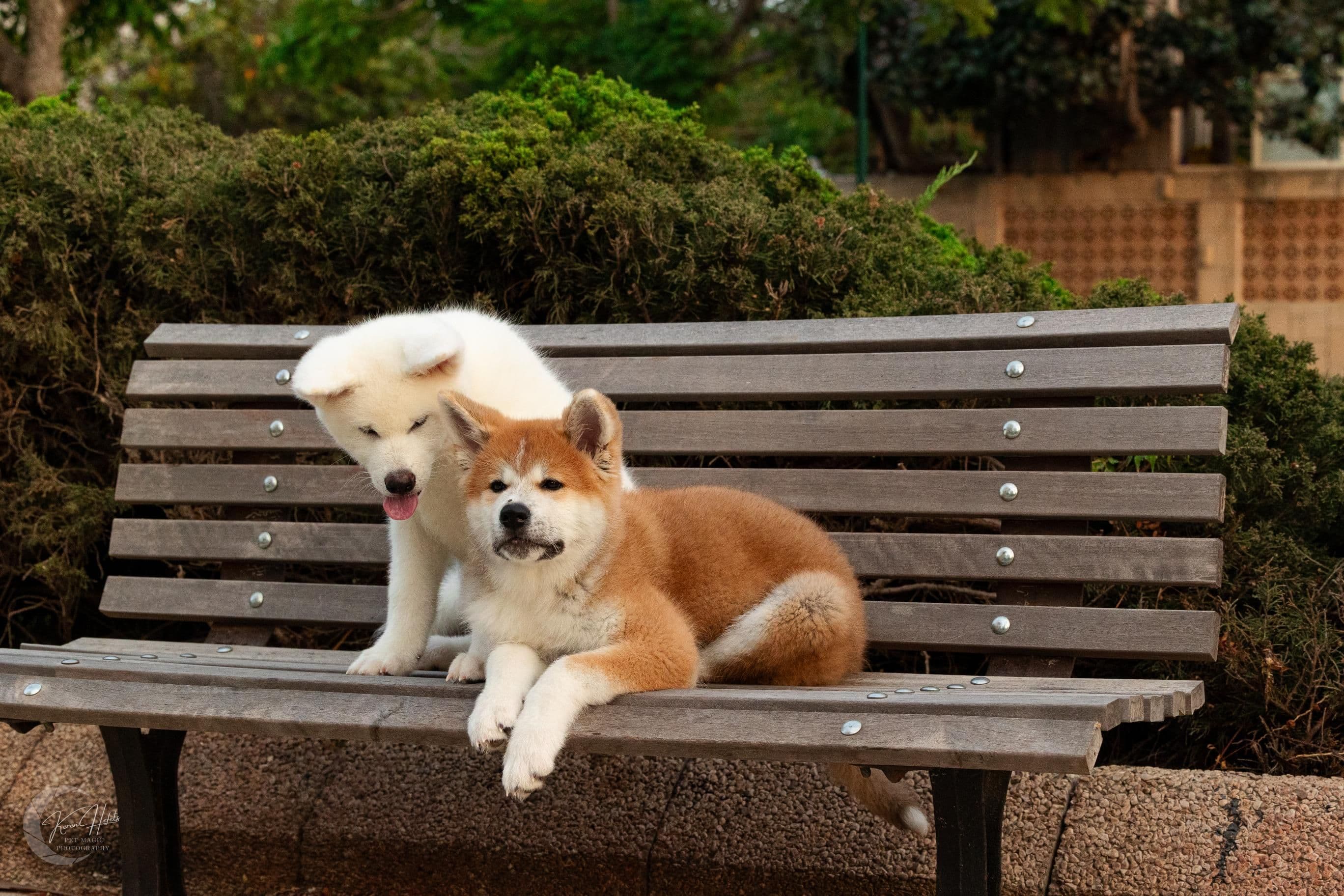
The Akita breed certainly has an interesting history. The journey this dog went through was difficult and challenging, and he definitely earned his place as one of the most respected breeds in the world. This is a dog that is considered the symbol of strength, endurance and power, and rightly so.
Akita Inu - History of the breed
Matagi is not
There are archeological findings that in the years 8,000 to 200 BC there was a dog called "Matagi-Inu" (Matagi-Inu) and this is apparently the ancestor of the Akita. The dog was apparently brought to the area by Mongol invaders from Korea who made contact with nomadic tribes that lived in the area at the time. The body structure and size of the Akita is similar to that of the Matagi.
It is important to understand what happened in Japan to understand the history of the breed. For hundreds of years, the country was ruled by a ruler called "Shogun". He commanded huge armies of brave men whose training included ignoring pain. They did not shy away from the suffering of others and did not show the pain they felt.
These warriors spent their free time killing dogs, which was considered a legitimate activity. They also enjoyed watching the dogs fight each other. This activity was common in the 12th and 13th centuries. Very few dogs remain as beloved companions kept at home. Let's remember this thing and skip a few hundred years ahead.
500 years ago
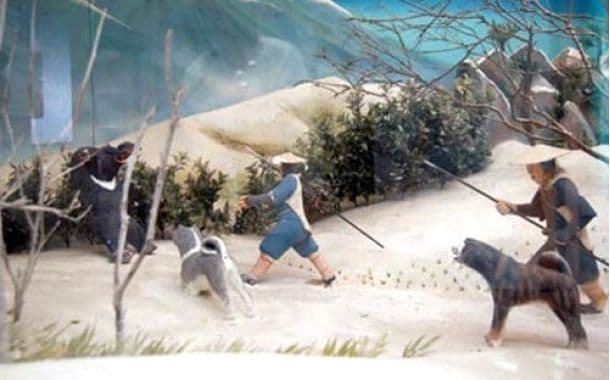
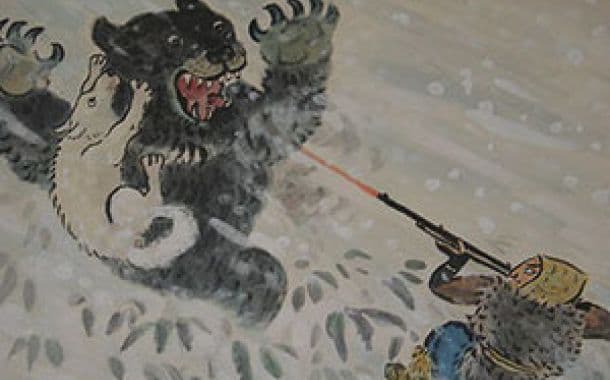
According to the stories, 500 years ago one of the members of the nobility in Japan was exiled with his family members to one of the remote islands of the kingdom after upsetting the emperor. The island was inhabited by Yezo Bears, a local bear that weighs up to 500 kg. In order to deal with the problem, the nobleman decided to create a new dog breed consisting of two breeds of wolves, one of the ancestors of the modern mastiff, a Japanese Spitz and several other breeds.
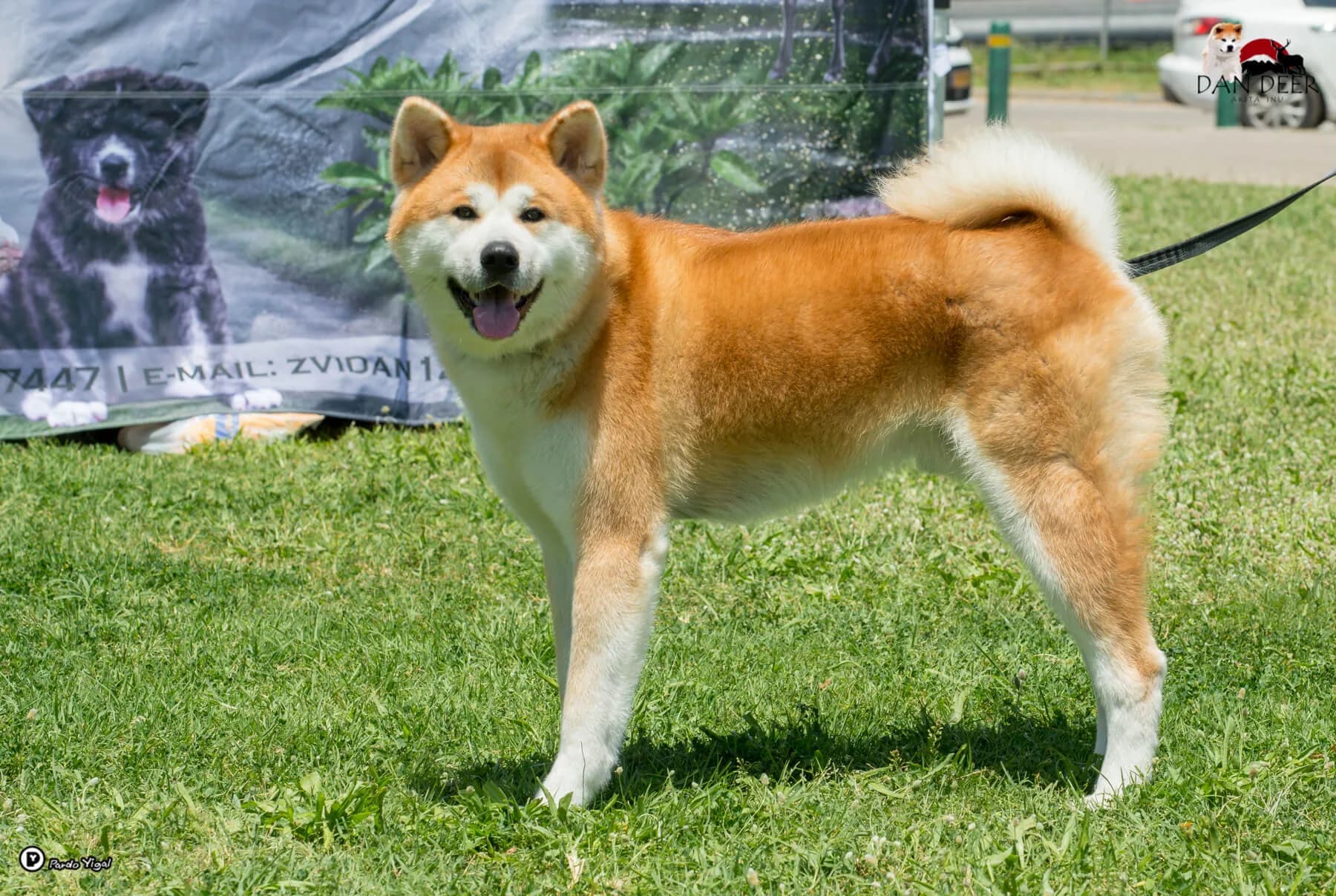
With the help of the new and powerful breed, he was able to eliminate the fearsome yazu bears that were on the island. The giant dogs were quite similar to the bears they hunted. Akitas with a black mask and patches on the body closely resembled a young Yazoo bear.
Several years later, the nobleman sent a large number of dogs as a gift to the emperor. The emperor was very fascinated by the dogs and not only gave the nobleman his land and servant, but determined that from that day on each of his samurai warriors would have such dogs. It is said that for five hundred years this amazing dog became an integral part of the imperial samurai culture, and only the emperor's samurai were allowed to own them.
Even if the samurai did not necessarily raise them, there is no doubt that Akita dogs behave similarly to these samurai. They are fearless and show boundless loyalty. In fact, it is said that the samurai were so fascinated by the dogs that they believed that if one of them died dishonorably, he would get a second chance by being born into the body of an Akita and would be able to give his life in defense of his owner and thus regain his honor.
It is not difficult to understand where this legend came from if you know these dogs. They are humane and noble and it is not difficult to believe that the spirit of the samurai resides within them. To this day, the Akita is a common symbol of good luck in Japan.
The year 1931
The Akita was developed in Japan, in the Akita prefecture located on the island of Honshu, in the northern part of the country. This is a unique area, surrounded on all four sides by rocky mountains. There are noticeable differences between the cold winter and the hot summer, in which a lot of rain falls. The area is full of forests of cedar trees, huge fields and mountains. The Yunshiro River flows through this area. This is actually a beautiful and naturally protected area that few manage to visit.
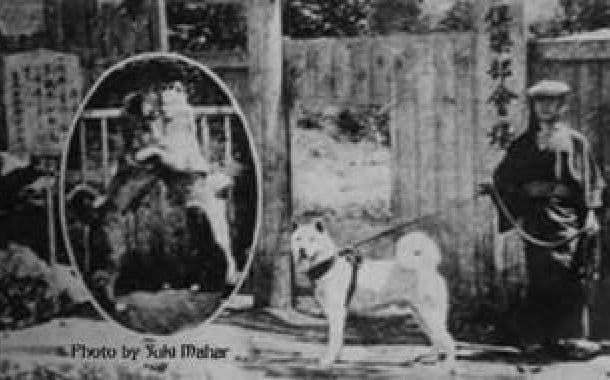
Originally, the breed was called "Odate Dog" and its name was changed to its current name only in 1931.
19th century
In the 19th century the industrial age began. There was a great demand for silver and gold and as a result many mines began to appear throughout the country. Thousands of people who used to live in the city moved to rural areas. This brought with it an increase in crime in areas that were quiet and peaceful. The emperor at that time, Taisho, ruled that all Japanese are allowed to breed these dogs, not just the members of the aristocracy.
The dogs were excellent with children and in the fishing villages the parents would go out to sea and leave the children under the supervision of the Akita dogs, who guarded them and prevented them from leaving the house.
The residents who were looking for protection from the criminals, took the Matagi Ino, which was originally a hunting dog, and began to train it for guarding. Many poor people could not afford to be involved in the process, but the wealthy controlled the issue. Their goal was to develop a large dog with an aggressive nature.
At the same time, other changes took place. Traders from all over Europe began to visit Japan and many of them brought back dogs with them. The groups that were trying to develop the large and aggressive guard dogs decided to breed the metagi ino with some of the larger breeds that were brought in. Therefore, they made crosses with Mastiff, Great Dane, Saint Bernard and Bulldog. Another dog, called "Shin Akita" (Shin Akita) was also incorporated into hybrids because it was known as a very aggressive fighter. As you can imagine, a large number of mixed dogs were created over a period of time as breeders tried different crossbreeds.
At the end of the 19th century, the various hybrids produced a large, athletic, brave and aggressive dog. However, many breeders were not happy with the fact that purebred dogs were disappearing from the world and they did not like the crossbreeding with dogs from other countries.
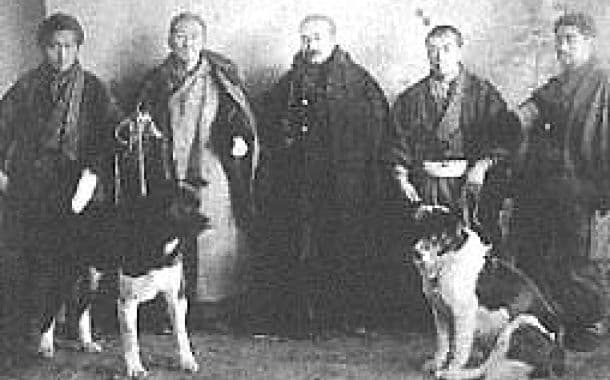
In 1914, the Emperor held an Odata Ino dog show in Tokyo. Following the exhibition, breeders began to understand the damage that the imported dogs were causing to the traditional Japanese breeds. In fact, the original bloodlines of Odate Ino (the dogs that were later called Akita) have all but died out.
In 1915, the mayor of Odate founded a movement that supported the cessation of hybridization and the preservation of the original bloodlines of Japanese dogs. This led to legislation for the preservation of Japanese breeds in Akita Prefecture in 1919. The people in power decided to enact a law, which stated that purebred dogs would be considered a national treasure. In their opinion, this was supposed to ensure that these dogs would not become extinct, and they were absolutely right.
In 1929, the first breeding book for Akita dogs was opened with only 30 dogs. Rules have been established according to which it is forbidden to crossbreed with other breeds. Some breeders have obtained these purebred dogs and bred them within their bloodlines. The spawners that were created were called Odate Dog and their name was later changed to Actia Ino.
Our promise
Once an Akita Inu, always an Akita Inu
The word "is" means "dog"
In 1937, the breeders in Japan reached an agreement regarding the breed standard (although it was later changed). Many claim that during World War II and the confusion that prevailed, German shepherd dogs were crossed with the Akita. They note that some of the characteristics of the German Shepherd can be distinguished, such as a dark back and mud color with lighter shades. They also claimed that the shape and size of the ear and the position of the tail did not match the body structure, apparently due to external influence.
In view of these things, the written standard was changed and disqualified all external characteristics that could be attributed to non-Japanese influence.
During the Second World War, the Akita reached almost complete extinction. Many of the breeders could not provide their dogs with proper shelter and food. Therefore, they allowed the dogs to roam in order to survive. Those who could afford to keep their Akitas were accused of being "enemies of the state" because they were "wasting" food on dogs when many people were starving and living in slums.
American soldiers who served in Japan in World War II said that when they occupied Japan, many Akita dogs came out of their hiding places in the mountains of Japan and approached the soldiers. Whether it is true or not, one thing is clear, the American soldiers smuggled thousands of Akita dogs with them from Japan when they returned to their homeland and from these dogs the American Akita developed.
A tiny percentage of humans managed to keep their Akitas and have single litters. In the end, and right at the ninetieth minute, the government decided that if an owner is able to raise a champion dog, he will receive money to cover the dog's food and care.
Thanks to this decision, the population of Akita dogs was able to expand. In 1950 there were already a little over 1,000 registered dogs and in 1960 their number had already doubled.
Want to hear more details?
We will be happy to give you personal attention
Or call us now
0549050090
Or
0542337447
before making a decision
If you are debating whether an Akita Inu is suitable for your home, it is recommended to talk to a breeder who knows the breed in depth. A correct match between the dog and the family is just as important as external appearance or certificates.