
How do you identify an allergy?
How do you know if your dog has an allergy? Is the treatment of animals suffering from allergies the same as the treatment of allergic people? And how do you diagnose the problem?
Dr. Ilan Skorinsky
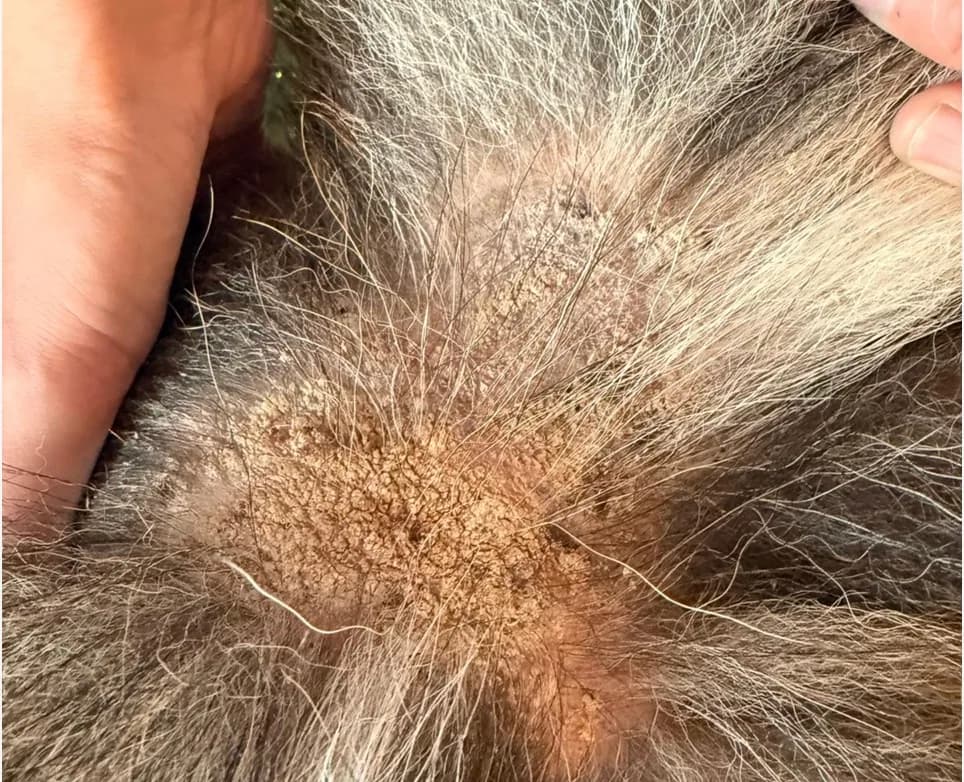
Dogs suffering from allergies have many and varied symptoms, most of which are manifested in the skin and fur, especially in itching, hair loss, redness, baldness, scaling and bad smell.
What are the causes of various allergy symptoms in pets? The three most common allergy causes among pets are fleas, food and environmental allergens: the flea protein injected into a dog to prevent blood clotting may cause an allergic reaction. A certain protein in dog food (chicken, beef, egg, etc.) may cause an allergy. Environmental allergens such as dust mites, mold, bushes, trees, grass may cause an allergic reaction in dogs Sensitive, allergic known as atopic dermatitis or "asthma of the skin".
How do dogs react to allergic symptoms? Unlike bipeds who use their hands to scratch, dogs have a variety of abilities to react to allergic skin irritation: the varied use of the mouth - through biting and licking! In the feet - for itching! And on inanimate objects - by rubbing! If there is any doubt, a relatively simple microscopic test, called a "trichogram" will reveal whether the dog scratches the infected place, licks it, or whether the hair loss is actually spontaneous (for example, due to hormonal problems or change of seasons).
Possible causes and methods of diagnosis
What are the allergy symptoms in dogs? Why should you pay special attention? Usually, dogs suffering from allergies have a tendency, from a young age, to scratch obsessively or lick intensely - symmetrically - specific areas, such as the earlobes, feet and groin. The multiple scratchings and lickings raise the temperature of the skin in the irritated area, injure it and cause secondary infections with bacteria and yeast (from the fungi family).
How do you diagnose an allergy in pets? Allergy diagnosis in pets requires time, a lot of experience and more patience on the part of the veterinarian, the patient (ie: the animal) and the client (ie: the owner). Since most of the symptoms are similar and appear in the form of itching, licking, redness and baldness - the diagnosis of the allergy can challenge even talented and experienced veterinarians. The first stage in the diagnosis - perhaps the most important of all stages - is the questioning stage. Since pets are rhetorically "limited", cooperation on the part of the owner, in describing the behavior of the animal, its living environment, its response to previous treatments, and in other words - "taking a history" - is essential for the diagnostic process. Laboratory tests that indicate a specific cause of allergy are blood tests, which are sent to the United States, for a targeted diagnosis of an environmental cause of allergy (tests that test about 60 allergens). What is the common treatment Most of the various allergy symptoms in pets? Is it the same as treatment
with the same symptoms in people? The best treatment for allergies is without a doubt prevention; If the cause of the allergy is diagnosed (for example: fleas), prevention by thorough treatment of the dog and environmental control of fleas, will eliminate the symptoms. If the cause of the allergy is some food (for example: chicken) - it is recommended to feed the animals with hypoallergenic food (in this example: food without chicken). If the cause of the allergy is beyond our control (citrus blossoms, for example) or is not exterminable (for example: house dust mites) - based on the blood tests for allergies, the pet can be vaccinated against those specific allergens, in a treatment known as desensitization (also known as immunotherapy).
And what do you do when the routine treatment does not help? When prevention or routine treatment does not help and the symptoms continue to bother - both the animal and the pet's owner - the veterinarian helps with anti-allergy drugs, in the so-called "symptomatic" treatment. Steroids or antihistamines (which are widely used in humans) as well as their combination - constitute the most common series of treatments. Due to the side effects, always try to reduce as much as possible the administration of these drugs, without harming the dog's quality of life. Recently, after many good studies, innovative, effective and safer drugs have been put into use, with a significant reduction in side effects, such as: Atopika, Apoquel and Cytopoint.
Is allergy in pets affected, as in people, by the change of seasons? In humans, the change of seasons may worsen the signs of allergy, because most allergies in humans involve the respiratory tract - and are manifested in asthma and allergic rhinitis. In dogs, the change of seasons has less effect on the symptoms, except in those cases where the dog or cat is sensitive to a seasonal allergen, such as the blossoming of a certain tree.
Treatment and prevention routine
Is it possible to prevent the existence of an allergic reaction in pets in advance? Just like in humans, the first allergic reaction in pets is unpredictable - and may appear one day without "advance notice". It is true that certain breeds of animals are more "prone" than others to certain allergies, but the individual cannot be identified, before the symptoms appear for the first time. It is important to note that environmental conditions: hygiene, weather, stress and stressful situations, may worsen allergic reactions; Therefore, we must give our allergic pets the best conditions for routine: a warm and cozy home, quality food, vaccinations and periodic preventive treatments. And above all, of course: warmth and love.
Dr. Ilan Skorinsky is a veterinarian specializing in the treatment of allergies in pets.

before making a decision
If you are debating whether an Akita Inu is suitable for your home, it is recommended to talk to a breeder who knows the breed in depth. A correct match between the dog and the family is just as important as external appearance or certificates.