What is hypothyroidism?
Hypothyroidism is a relatively common medical condition in dogs, especially in breeds like the Akita Inu. It is a condition in which the thyroid gland does not produce enough essential hormones that affect many functions in the body, which can lead to a series of health problems. Fortunately, this condition is manageable through early diagnosis, medication and proper nutrition.
The thyroid gland is located in the neck and produces important hormones for regulating metabolism, skin functions, the immune system and more. When the gland is not functioning properly, the body suffers from a hormonal imbalance that can cause a variety of physical and behavioral symptoms.
- Skin and fur changes: alopecia (hair loss): most common in symmetrical areas of the body. Excess pigmentation: the appearance of dark spots on the skin. Skin problems: dryness, dandruff or recurring skin infections.
- Changes in metabolism and weight: obesity, despite a normal diet. Fatigue and exhaustion, unwillingness to exercise.
- Additional symptoms: decreased desire and general vitality. In severe cases, epilepsy or epilepsy-like seizures.
The diagnosis is made through a simple blood test that measures the levels of thyroid hormones (T4 and T3) in the body.
Signs that are important to recognize
- If there is clinical suspicion, the veterinarian may also recommend advanced tests, such as measuring the TSH (thyroid-stimulating hormone) level.
The treatment of hypothyroidism is simple and effective:
- Drug treatment: administration of a drug containing replacement hormones (Levothyroxine). The medicine is given orally, in a dosage customized to the dog according to its weight and condition.
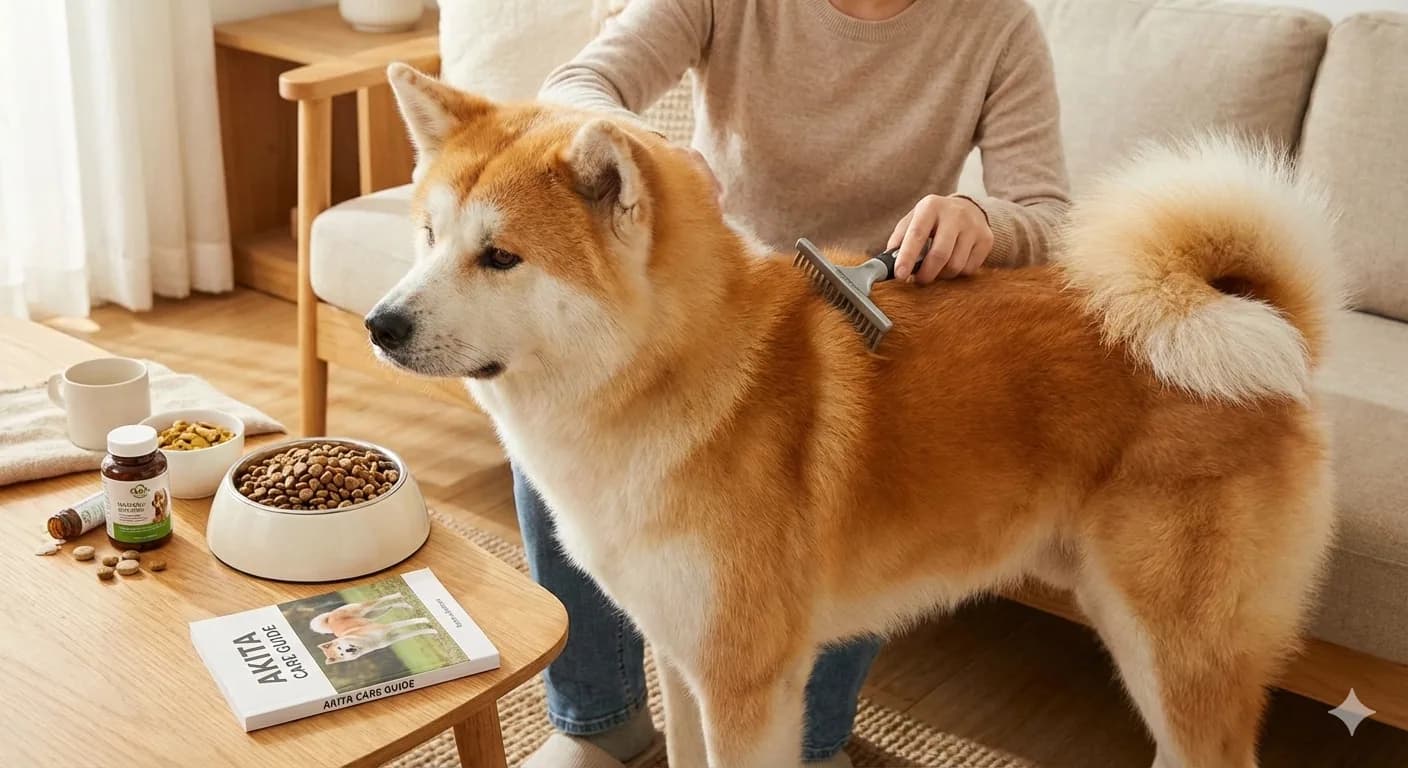
- Appropriate nutrition: A balanced and high-quality diet can help stabilize the dog's condition. It is recommended to include food rich in animal proteins and healthy fats, alongside minerals such as selenium and iodine, which are important for thyroid function.
- Medical follow-up: periodic blood tests to make sure that the hormone levels are stable and the treatment is effective.
- Choosing a quality kennel: controlled breeding with genetic testing for parents can reduce the risk of hereditary diseases.
- Quality nutrition: maintaining a healthy diet from a young age can contribute to a normal hormonal system.
- Regular medical follow-up: routine examinations at the veterinarian can help identify the problem early.
Treatment and follow-up over time
At Dan Deer Kennel, we place great emphasis on the health of our Akita Inu dogs. We perform genetic tests for all parents to prevent hereditary diseases such as hypothyroidism, and accompany every family that adopts a puppy in the process of nurturing and maintaining the dog's health.
Hypothyroidism is a health condition that can be easily managed when diagnosed early. With proper care and attention to the dog's needs, the Akita Inu can continue to live a happy and healthy life. The Dan Deer kennel is here to support you all the way, and make sure your puppy grows up in a healthy and balanced environment.
before making a decision
If you are debating whether an Akita Inu is suitable for your home, it is recommended to talk to a breeder who knows the breed in depth. A correct match between the dog and the family is just as important as external appearance or certificates.